

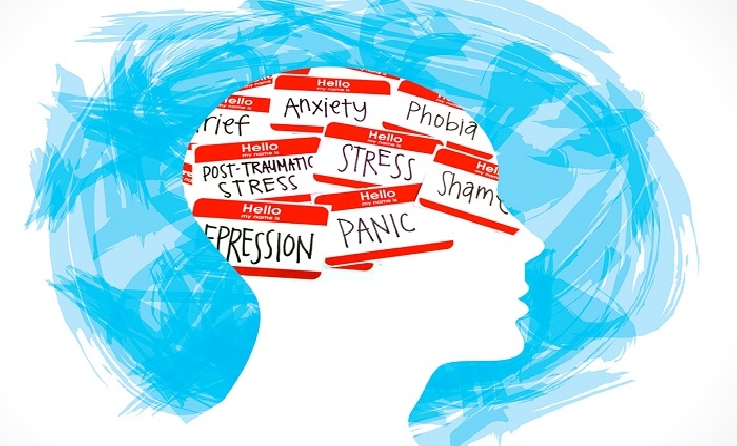

Many men find themselves fighting much more than mere fatigue during the quiet interludes between dusk and dawn. This fight is concealed by their façade of strength and self-reliance, a secret mental health battle that often goes unnoticed and unspoken about. The blog post is a call for action, an invitation to change the narrative on men’s mental health. It is reminding us that suffering emotionally does not lessen our strength and mental health should be discussed openly because it has to be done as it will aid in healing.By tackling these issues head on, we hope to create an inclusive society where admitting weaknesses does not mean one is weak but rather demonstrates courage towards healing and better understanding.
The Storm Within: Understanding Men's Mental Health Challenges
Even though mental illnesses do not choose any gender per say, they tend to vary significantly in terms of their expressions and responses from different genders. For most men, depression or stress can only be admitted as some kind of misdemeanour against masculinity apart from being seen as confessions of problems. The societal blueprint for men—stoic, impervious, constantly collected—imposes an unbearable burden upon those who already suffer in silence because of other reasons.
An example is the story of Michael, a veteran with two children. To other people, he was the model of toughness and resilience. Internally though, Michael had been fighting depression and post-traumatic stress disorder (PTSD) in his mind after being discharged from the military. In its essence, his story is not special but reflects well on a lot of men who opt for pretending to be normal and strong whenever inside they are suffering.
The expectation to conform only worsens mental health problems among males; as such many men are reluctant to discuss their feelings or seek help. The result is that emotions get stifled leading to emotional isolation and often deteriorating mental health conditions. We can begin by acknowledging these societal demands openly in order to eradicate any obstacles against effective men’s mental healthcare where no one will ever have to weather their storm alone.
The Mask of 'I'm Fine': Breaking Down Barriers to Communication
Perhaps “I’m fine” is the most commonly used lie, which deters real emotional communication in particular between men. However, this simple phrase often conceals complex feelings that are never confronted and this contributes to a wider mental health problem of stigma. Stoicism has remained one of the criteria for masculinity, making men suppress their emotions culturally and socially. It makes it impossible for men to express unhappiness, anxiety or fear because it perpetuates the notion that openness about your feelings makes you weak.
Psychologically speaking, it can be tragic. Consistent repression of emotions increases tension levels as well as depression and instability. It leads to a distorted self image that does not facilitate genuine intimacy in relationships since emotional ties are cut off. The consequences of not showing any vulnerability range from feeling distressed or alienated personally to more serious situations such as substance abuse or even suicidal tendencies since they rarely seek help or accept they need it.
By understanding and discussing these cultural, social, and psychological barriers, we can begin to encourage more open and supportive communication. Breaking down these barriers not only helps individuals cope better with their mental health challenges but also gradually changes societal expectations of masculinity, making it healthier and more inclusive.
Statistics Speak: A Look at Men's Mental Health by the Numbers
The data on men's mental health presents a worrying picture, emphasising the need for immediate change in how we deal with and talk about men’s mental wellbeing. For instance, American Foundation for Suicide Prevention reports that men are almost three times more likely than women to die by suicide. In addition, suicidal rates among them are higher because their depression remains undetected.
Additionally, making the situation even worse is the fact that despite both genders having similar mental health problem incidents; males are not as willing to seek mental health help as females. According to a report from the National Institute of Mental Health, only 50% of men who disclose concerns about their mental well-being will seek professional help compared to about 60% of women. This difference therefore is not just personal preference but also hints at lack of personalised treatment interventions that identify and meet the unique needs of males.
Redefining Strength: New Perspectives on Masculinity and Vulnerability
Men's mental health is highly affected by the conventional masculinity concept, which is associated with keeping emotions and being stoic. These men who keep silent about their struggles are usually held back by old stereotypes that do not allow them to acknowledge their situations and seek help from others. However, there are encouraging signs of a growing acceptance and understanding of masculinity that take into account emotional sensitivity as an asset rather than a liability.
These opinions have been changed by figures like Dwayne Johnson and Prince Harry. They are breaking down the stigma associated with mental illness through sharing their own personal struggles with it; they also demonstrate that showing vulnerability is part of strength. Their advocacy initiatives have emphasised the importance of awareness concerning mental health problems, as well as urged men to start the process of recovery.
Mental health improvement has a domino effect on these perspectives. In particular, when men feel helped to express their emotions, they tend to seek support and have more meaningful conversations about their psychological matters. This change in masculinity does not only enhance well-being of individuals but also improves relationships and communities as a whole. Men’s lesser mental health crises can be achieved by having a wider definition of masculinity that embraces them; this develops an attitude within society where emotional toughening is given equal importance with physical hardening.
Stories of Hope and Healing
Sometimes, personal narratives from those whose lives have been affected by mental illness are powerful triggers for positive change and recovery. An example is Alex who had the worst anxiety for many years while he was still a young professional. He began his healing journey when he joined a self-help group, thus breaking away from his long held notion that asking for help was admitting to weakness. With therapeutic intervention and community support, Alex learned how to manage his anxiety thereby supporting the awareness campaign for mental wellness in his office.
In a similar way, John who is a retired military officer also obtained artistic therapy, which helped him deal with PTSD. His story attests to the fact that healing can be achieved in different ways and that community and creative expression form important aspects of recovery journey. They give hope and provide examples of steps to take for people needing help in such conditions.
Support networks like Men's Sheds are very essential as they offer a place where men can meet and do productive activities while discussing their mental problems using a supportive medium. They make individuals feel as if they belong somewhere and give them practical assistance therefore significantly influencing psychological well-being and minimising depression issues.
This exploration into men’s mental health concludes by showcasing the significance of breaking down historical stereotypes and encouraging open dialogues, which can greatly help men to view and handle their mental health. Resilience and recovery stories shared here in addition to changing perceptions on masculinity convey a very important message; being vulnerable is not a weakness but instead a strength.
Consequently, we may achieve an environment where men can express their feelings without fear because it is more supportive through these discussions, amongst each other as they redefine strength. This change also improves individual mental health statuses as well as the general wellbeing of families and communities. We must therefore continue to advocate for these conversations and participate in them if we are to preserve societal well-being such that no man has burden himself with quiet suffering alone.
Our Other Services:
Sex Therapy in Delhi | Sex Therapy in Mumbai | Sex therapy in Bangalore | Vaginismus Treatment | Sexologist in Delhi | Sexologist in Bangalore | Sexologist in Pune | Sexologist in Kolkata | Sexologist in Mumbai | Best Sexologist in India

Comment section
Comments