

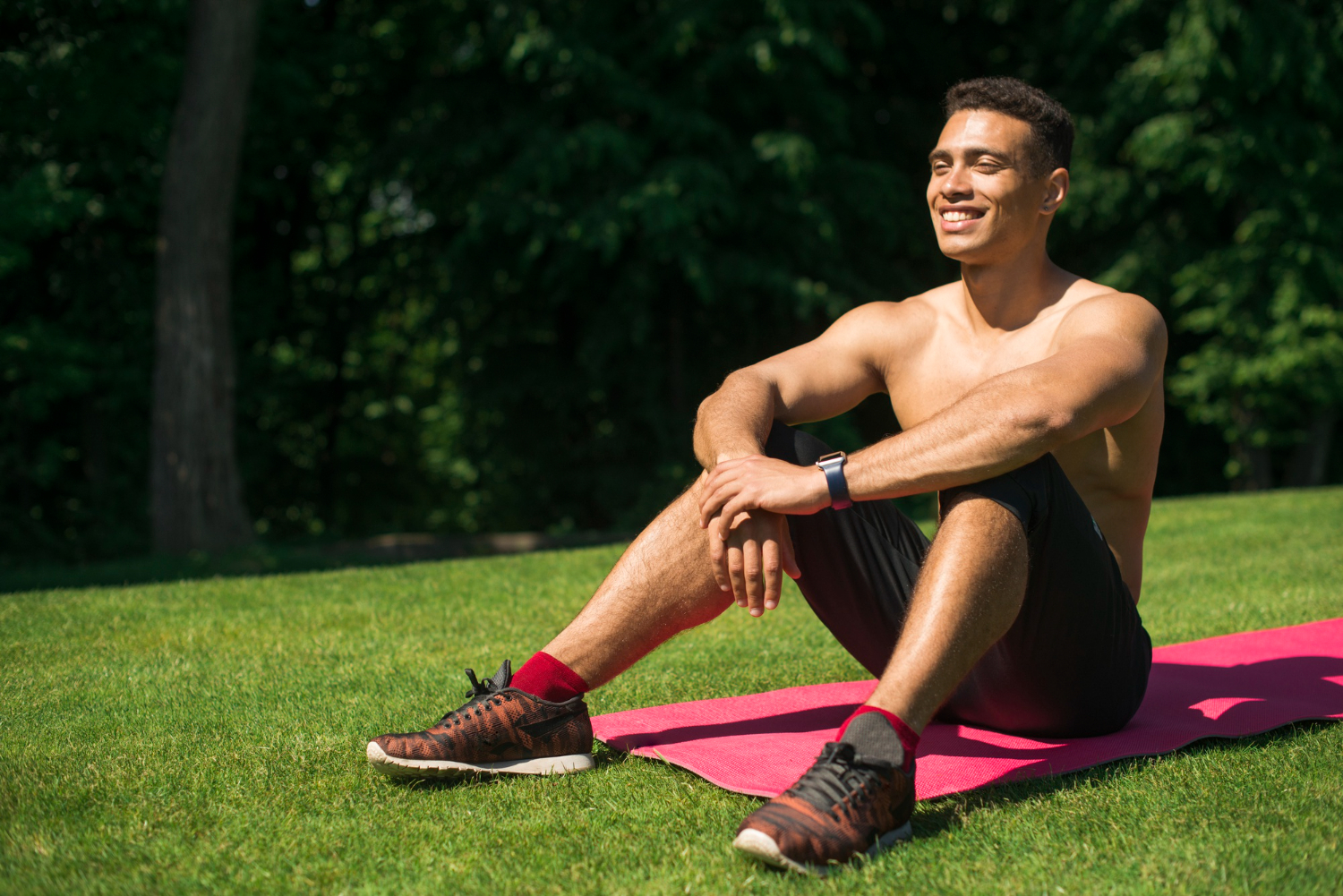

Lifestyle Modifications to Improve Erectile Health: Natural Ways to Regain Control
Taking charge of your health can be one of the most empowering decisions you make, especially when it comes to intimate wellbeing. Erectile dysfunction (ED) is more common than many realize, and the good news is that it can often be reversed or improved through intentional lifestyle modifications. Scientific research increasingly supports the power of non-invasive, natural strategies to enhance sexual performance and overall wellness.
ED is often a symptom of underlying health issues such as poor circulation, hormonal imbalance, obesity, or unmanaged stress. By addressing these root causes, you're not just aiming for better sexual health, you’re investing in your full-body vitality through lifestyle changes for erectile dysfunction.
Simple changes like adopting a heart-healthy diet, staying physically active, managing stress through mindfulness practices, and prioritizing sleep can have profound effects on erectile function.
Quitting smoking, reducing alcohol intake, and maintaining a healthy weight are also strongly linked to improvements in sexual health. They are great lifestyle changes for erectile dysfunction. Moreover, mental wellbeing plays a critical role. Anxiety, depression, and relationship stress can all contribute to ED, making emotional self-care just as important as physical health. When you commit to a more balanced, holistic lifestyle, you don’t just enhance bedroom performance; you unlock greater energy, confidence, and emotional connection in every part of your life.
In this guide, we'll explore the best lifestyle changes for erectile dysfunction, actionable steps you can take today, and why a holistic approach can transform more than just your sex life.
Why Lifestyle Changes Matter in Erectile Dysfunction
Erectile dysfunction is not just a "below-the-belt" issue. It often reflects broader health concerns like poor circulation, hormonal imbalance, and chronic stress. Conditions such as diabetes, hypertension, obesity, and metabolic syndrome are closely linked to ED.
By addressing these root causes, lifestyle changes for erectile dysfunction can lead to broader, long-term benefits. Improved blood flow, better hormone levels, enhanced mental health, and greater confidence can all follow, boosting your relationships and overall quality of life.
In fact, many doctors view ED as an early warning sign of cardiovascular disease, making it a critical health indicator, not just a personal inconvenience. Taking steps like adopting a heart-healthy diet, engaging in regular exercise, managing stress, and maintaining a healthy weight can drastically lower your risk for not only ED but also heart attacks, strokes, and diabetes complications. Sleep hygiene also plays a surprisingly powerful role- poor sleep patterns can disrupt testosterone production and increase stress hormones like cortisol, further aggravating erectile problems.
Moreover, mental health cannot be overlooked. Chronic anxiety, depression, and relationship issues often create a vicious cycle where emotional strain worsens physical symptoms. Addressing these aspects through therapy, mindfulness, and open communication with partners can significantly aid recovery. When you view erectile dysfunction as a full-body wellness issue, not just a sexual one, your path to healing becomes far more empowering and transformative.
Best Exercises for Erectile Dysfunction
1. Cardiovascular Activities
Aerobic exercise is a cornerstone for improving sexual health. Activities like brisk walking, jogging, and cycling help boost cardiovascular fitness, which is essential for healthy erections. Increased blood flow supports better stamina and performance, both inside and outside the bedroom.
Harvard Health notes that even moderate walking for 30 minutes daily can decrease the risk of ED by up to 41%. Consistency matters more than intensity- start small and build up.
2. Strength Training
Adding resistance exercises like weightlifting can naturally increase testosterone levels, a key hormone in sexual function. Strength training improves body composition, builds muscle, and enhances confidence, an often overlooked psychological benefit when battling ED.
Including two to three sessions per week targeting major muscle groups can yield noticeable benefits.
3. Kegel Exercises
Often associated with postpartum recovery in women, Kegels are equally powerful for men. Strengthening the pelvic floor muscles can improve erection quality, ejaculation control, and overall pelvic health.
Beginner's Guide to Kegels for Men:
Identify the pelvic floor muscles by trying to stop urination midstream.
Contract these muscles for 5 seconds, then relax for 5 seconds.
Repeat 10-15 times, three times daily.
Avoid tightening the abdomen, thighs, or buttocks during exercises.
Incorporating these exercises provides a comprehensive exercise for erectile dysfunction strategy.
Diet and Nutrition Tips for ED
1. Foods That Boost Blood Flow
Certain foods rich in nitric oxide help relax blood vessels and improve circulation, supporting stronger erections.
Key choices include:
Leafy greens like spinach and arugula
Beets
Watermelon
Pomegranate
These foods can naturally enhance blood flow and should be staples in a diet and ED improvement plan.
2. Heart-Healthy Eating
Following Mediterranean diet principles, rich in fruits, vegetables, whole grains, lean proteins, and healthy fats, can significantly reduce ED risk.
Key strategies:
Minimize processed foods and added sugars
Choose unsaturated fats over saturated ones
Focus on fiber-rich whole grains
Research from Cleveland Clinic emphasizes that what's good for the heart is good for sexual health.
3. Supplements and Natural Remedies
Some supplements show promise as natural remedies for ED:
L- arginine is an essential amino acid that plays a key role in the body’s production of nitric oxide, a molecule that helps relax blood vessels and promote better blood flow. Improved circulation is crucial for achieving and maintaining erections, making L- arginine a popular natural supplement for supporting erectile health. Several studies have shown that L- arginine supplementation may lead to noticeable improvements in men with mild to moderate erectile dysfunction, especially when combined with other natural ingredients like pycnogenol.
Ginseng, often referred to as the "herbal Viagra," has a long history of use in traditional medicine to enhance sexual performance and boost energy levels. Research suggests that certain types, particularly Korean red ginseng, may improve erectile function by increasing nitric oxide production and reducing oxidative stress in tissues. Additionally, ginseng is believed to enhance overall stamina and vitality, helping to address both the physical and psychological aspects of sexual health.
Maca root, a plant native to Peru, has been traditionally used for centuries as a natural aphrodisiac and fertility enhancer. Modern studies support its role in boosting libido, improving sexual desire, and possibly enhancing mood and energy levels. While maca does not directly impact hormone levels, it seems to exert a positive effect on sexual wellbeing through its rich nutrient profile and adaptogenic properties.
Always consult a healthcare provider before starting any supplement to ensure safety and effectiveness.
Other Healthy Habits to Support Sexual Health
1. Sleep and Recovery
Sleep deprivation negatively affects testosterone production and stress levels, both crucial for sexual performance. Aim for 7-9 hours of quality sleep per night.
Establishing a regular sleep schedule and creating a restful environment (dark, cool, quiet) are vital healthy habits for sexual health.
2. Stress Reduction
Chronic stress increases cortisol, which can blunt testosterone and impair sexual function. Integrating mindfulness practices like meditation, yoga, or even deep breathing can significantly lower stress.
Building a "stress hygiene" routine, like unplugging from screens before bed or scheduling short mindfulness breaks, can make a big difference.
3. Quitting Smoking and Reducing Alcohol
Nicotine damages blood vessels and impairs circulation, while heavy alcohol use can dull nervous system responses crucial for arousal.
Steps to quit smoking and moderate alcohol consumption include:
Seeking support groups
Using nicotine replacement therapies
Setting gradual reduction goals
Replacing alcohol with healthier relaxation rituals
These changes form part of essential healthy habits for sexual health that yield profound improvements.
Tracking Progress and Staying Motivated
Behavior change thrives on measurable progress and positive reinforcement.
Set Small Goals: For example, "Walk 10 minutes daily" before building to longer sessions.
Journal: Track symptoms, moods, energy levels, and milestones.
Celebrate Wins: Whether it's a week without skipped workouts or noticing more morning erections, small victories fuel motivation.
Consistency is key. As Healthline advises, focus on steady, sustainable improvements rather than immediate "fixes."
When Lifestyle Changes Aren’t Enough
While lifestyle changes alone are powerful, sometimes they need to be combined with medical treatment, especially when ED is rooted in specific health conditions or persists despite strong efforts.
Signs you should consult a doctor:
ED symptoms lasting more than 3 months
Underlying chronic diseases like diabetes or heart disease
Severe emotional distress linked to performance issues
Working with a healthcare provider can ensure you get the most comprehensive care, potentially blending medication, therapy, and lifestyle changes for erectile dysfunction.
Key Takeaways
Lifestyle changes are a powerful tool for managing ED naturally and sustainably.
Incorporating exercise for erectile dysfunction, following a diet and ED improvement strategy, and developing healthy habits for sexual health can lead to noticeable benefits.
Progress takes time; consistency, not perfection, drives change.
Sometimes, the best outcomes occur when lifestyle changes are combined with professional medical advice.
By investing in these positive changes, you're not just enhancing sexual performance; you're building a healthier, more confident future.
Frequently Asked Questions (FAQs)
Can exercise alone improve erectile dysfunction?
Exercise plays a major role in ED improvement. Cardiovascular and strength-training exercises enhance blood flow, reduce stress, and boost testosterone, all critical for sexual health. While exercise alone can significantly help, addressing diet, sleep, and stress is also important for full recovery.
What foods help with erectile function?
Foods that support blood vessel health, like leafy greens, beets, watermelon, and pomegranate, are excellent for erectile function. A Mediterranean-style diet that minimizes processed foods and maximizes natural, nutrient-rich foods supports vascular and overall health, aligning with a strong diet and ED improvement plan.
Are natural supplements for ED safe?
Some supplements like L- arginine, ginseng, and maca root have scientific backing. However, it's crucial to consult a healthcare professional before starting supplements, as they may interact with medications or underlying health conditions.
How long do lifestyle changes take to show results?
Most people begin to notice improvements within 4-12 weeks of consistent changes. However, factors like age, underlying health conditions, and lifestyle history can influence the timeline.
Should I stop medication if I start a healthy lifestyle?
Never stop prescribed medications without consulting your doctor. A healthy lifestyle can enhance medication effectiveness and sometimes reduce dependency over time, but medical guidance ensures safe, appropriate transitions.

Comment section
Comments