

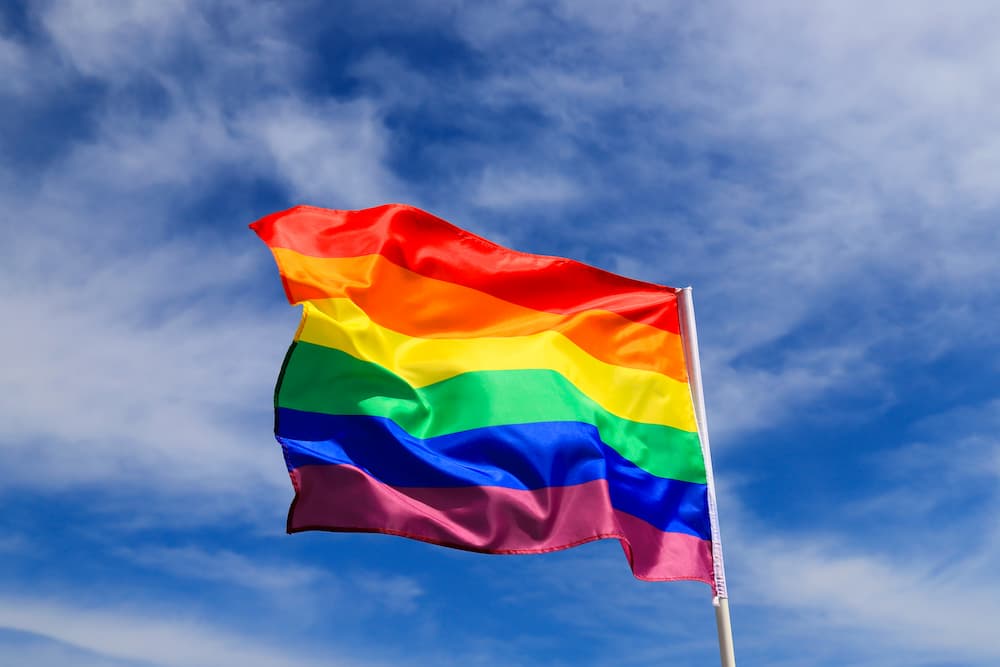

Sexual health can be difficult to navigate, but for LGBTQ+ people, it can be even harder. Individuals in this community often face unique health challenges and disparities. This blog is written to clarify some important points about sexual health within the LGBTQ+ population. We will discuss what different terms mean within these communities and talk about rights specific to sexual well-being for people who identify as LGBTQ+. At Rxmens, we strive to offer comprehensive healthcare that’s tailored towards everyone’s needs – regardless of their gender identity or sexual orientation.
Understanding LGBTQIA2S+ Terminology

- Breaking Down The Acronym: The acronym LGBTQIA2S+ represents Lesbian, Gay, Bisexual, Transgender, Queer/Questioning, Intersex, Asexual, 2-Spirit and other community identifiers. This was created so that everybody could have a part in it no matter what their Sexual Orientation or Gender Identity is.
- Non-Binary Defined: When someone identifies as non-binary they are telling us that they don’t see themselves fitting into either male or female categories exclusively – sometimes they may feel like both/neither/all genders at once
Health Disparities in LGBTQ+ Healthcare

- Impediments to Care: The LGBT community does have some issues with getting health care services such as being discriminated against, having no knowledge by the doctor on LGBT matters, and fearing the stigma. These challenges deny them the opportunity to be attended to quickly and effectively.
- Enhancing LGBTQ+ Healthcare: To improve healthcare for this group; medical practitioners need to be more aware culturally, adopt policies that do not discriminate against anyone seeking help from them regardless of their sexual orientation or gender identity, also teach about what is required concerning the health of such people.
Must Read: STI's Vs STD's: A Simple Guide to Understanding the Health Risks
Gender as a Health Determinant

- Effects on Health due to Gender: Another factor that greatly determines our well-being is sex because it can either expose us to risks or protect us from them, affect how we access medical care services, and behave towards maintaining good health. Nevertheless, among these individuals, there may still be disparities in terms of their physical condition brought about by societal disapproval based on sex roles besides discrimination faced as a result of changing one’s gender identity or expression within society.
- Social Factors Influencing Health: Sexuality acts not only as an individual determinant but also an interpersonal one since it interacts with other determinants like race, age groups, and socioeconomic classes thereby increasing inequalities experienced among different groups within the LGBT community.
Symbols and Importance in LGBTQ+ Identity

- Decoding Symbols: Generally, the lesbian identity is represented by one of two female gender symbols (⚢) while the gay identity is represented by one of two male gender symbols (⚣). These signs are used to foster pride and unity among people who share this community.
- Intersex and Feminist Symbols: The intersex symbol shows both the male and female gender symbols combined so as to represent the biological aspect of individuals with ambiguous genitalia or sex characteristics. On another hand, the feminist symbol (♀) represents the women’s rights movement which intersects with LGBTIQA+ issues when fighting for gender equality in all spheres of life.
Navigating Social Determinants of LGBTQ+ Health
- Understanding the Challenges: Discrimination; social exclusion; violence et cetera are some examples under this category that can lead to poor health outcomes among people who identify themselves as queer. It is necessary therefore for us all to recognize these challenges if we ever want our society to be healthy for everyone regardless of their sexual orientation.
- Advocacy and Support: Strengthening community support networks and advocating for equitable health policies are crucial steps toward improving the health and well-being of LGBTQ+ individuals.
How Can LGBTQ+ Individuals Safely Navigate Online Dating?
Safety Tips for Online Dating: As online dating becomes a common avenue for meeting partners, LGBTQ+ individuals must protect themselves from potential harms, including privacy breaches and emotional risks.
Profile Privacy: Keep personal information private until you are confident about the intentions of the person you are communicating with.
Meet in Public Places: For initial meetings, choose public and safe places, and inform a friend or family member of your whereabouts.
Use Trusted Platforms: Engage with dating platforms that actively support and protect LGBTQ+ users, providing robust security measures and inclusive policies.
What Legal Protections Exist for LGBTQ+ Health Rights?
Understanding Your Rights: Legal protections for LGBTQ+ individuals can vary significantly by region, but understanding your rights is essential for navigating healthcare safely and effectively.
Anti-Discrimination Laws: Many places have laws that protect against discrimination based on sexual orientation and gender identity, especially in employment, housing, and public accommodations, which include healthcare facilities.
Healthcare Rights: Some regions provide rights related to healthcare decision-making, including the rights of transgender individuals to receive hormone therapy and surgeries as part of their healthcare.
How to Find LGBTQ+ Friendly Healthcare Providers?
Locating Supportive Health Services: Finding healthcare providers who are knowledgeable and affirming of LGBTQ+ identities can significantly enhance the healthcare experience.
Utilize Online Resources: Websites and apps that list LGBTQ+-friendly doctors, therapists, and clinics can be invaluable. Organizations like GLMA (Health Professionals Advancing LGBTQ Equality) often provide directories of inclusive health professionals.
Community Recommendations: Leveraging the local or online LGBTQ+ community for recommendations can provide personal insights into the affirming practices of specific healthcare providers.
Consult LGBTQ+ Organizations: Many LGBTQ+ organizations offer resources and support that can help connect individuals with knowledgeable healthcare providers.
The Importance of Inclusive Sexual Health Education
Comprehensive Education: Inclusive sexual health education that addresses the specific needs of LGBTQ+ individuals can lead to better health outcomes by providing relevant information on safe sex practices, rights, and resources.
Empowerment Through Knowledge: Educating LGBTQ+ individuals about their sexual health rights and available health resources empowers them to make informed decisions about their health care and advocate for their needs.

At Rxmens, we understand the importance of specialized care and support for the LGBTQ+ community. Our team is dedicated to providing a respectful, knowledgeable, and sensitive approach, ensuring that all patients receive the highest standard of care tailored to their unique needs. If you are looking for support or have any questions about navigating LGBTQ+ sexual health, we are here to help. Reach out today to learn more about our services and how we can assist you in your journey toward optimal health and well-being.
Our Other Services:
Sex Therapy in Delhi | Sex Therapy in Mumbai | Sex therapy in Bangalore | Vaginismus Treatment | Sexologist in Delhi | Sexologist in Bangalore | Sexologist in Pune | Sexologist in Kolkata | Sexologist in Mumbai | Best Sexologist in India

Comment section
Comments