

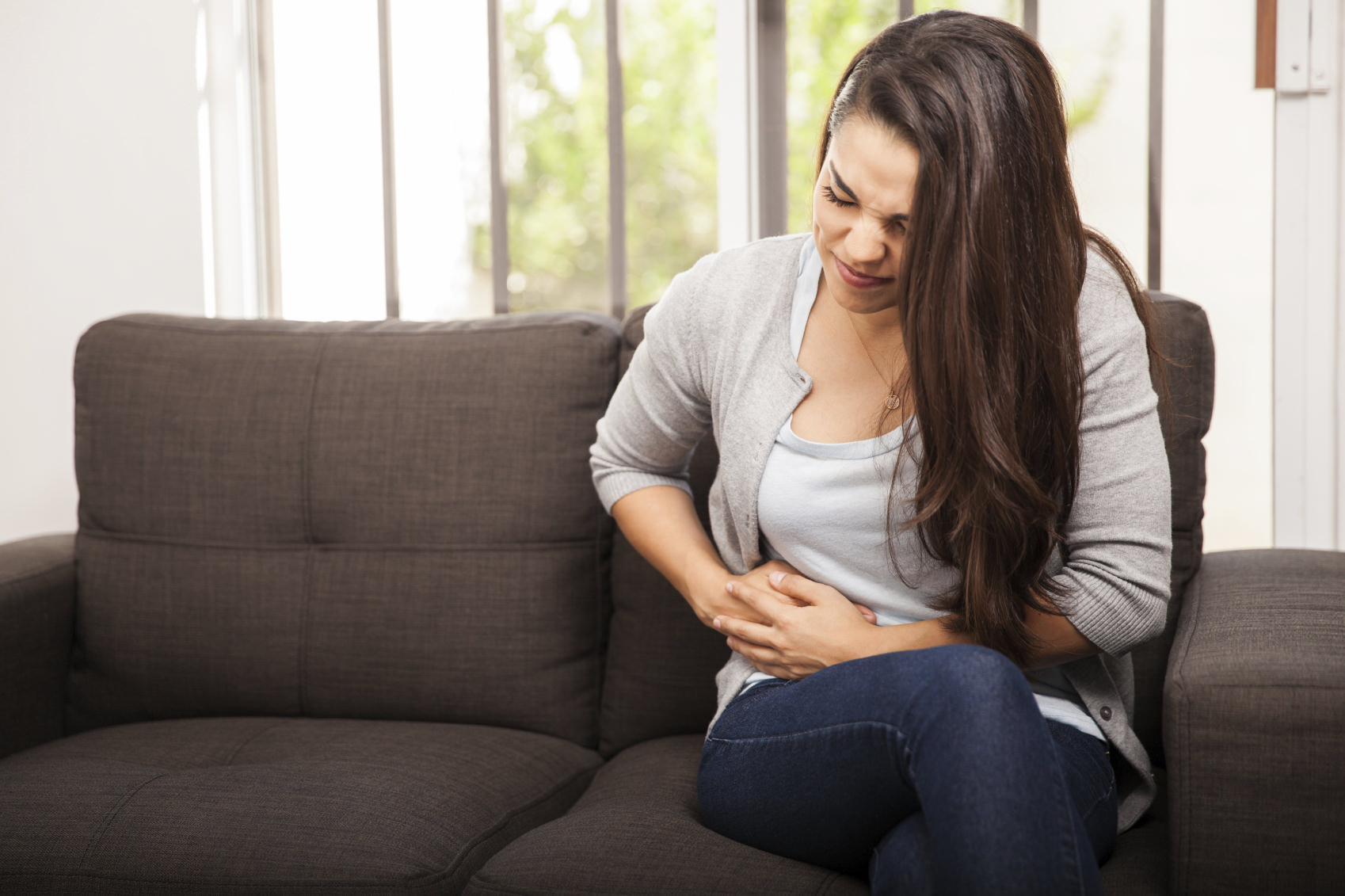

Well, the phenomenon of increased sexual desires in women before their periods is a subject that involves a set of very complex biological, psychological,, and hormonal factors. For starters, This surge in sex drive can also be attributed primarily to the hormonal fluctuations that occur throughout the menstrual cycle. During the early days of menstruation, estrogen and testosterone levels can increase, While estrogen is responsible for influencing sexual desires, a slight hike in its level can lead to increased sex drive. Additionally, testosterone is another reason that is associated with heightened sexual desires in women before their menstrual cycle. It is also believed that certain psychological and social factors also contribute to this phenomenon.
According to research, women may confuse the pre-menstrual phase with their ovulation phase, which could naturally elevate their sex drive. However, others feel that the increased sex drive might just be a way for women to seek comfort and alleviate pre-menstrual syndrome symptoms through the physical closeness and emotional connection associated with sexual activity. It is very important to understand the relationship between all the factors offering valuable information about a woman’s sexual health, which underscores the importance of considering both physiological and psychological aspects while discussing sexual desires. This topic not only opens up a conversation about the natural variability of sex drive among women but also highlights the need for a nuanced understanding of women’s health and well-being.
Why Does This Happen?
As clearly stated above, the rise in sexual desires in some women before their periods can be blamed on hormonal changes. Specifically, the rise in estrogen and testosterone levels during the ovulation cycle, which can occur during the middle of the menstrual cycle,. As the body slowly approaches maturation, there is a shift in hormone levels, which can lead to increased sexual drive in some individuals. This response is also thought to be the body’s way of seeking physical comfort and emotional intimacy during a time that is often referred to by PMS premenstrual syndrome symptoms, including emotional sensitivity and physical discomfort.
Can Pre-Period Sex Change The Flow?
Engaging in any type of sexual activity before the period can sometimes influence the intensity or timing of menstrual flow, However, it doesn't alter the biological process of menstruation itself. Engaging in sexual intercourse can increase the blood flow to the pelvic region, leading to a temporary spike in bleeding immediately following the activity. This sometimes is mistaken for an increased menstrual flow. Moreover, sexual arousal causes the cervix to engorge and open slightly, which can be considered another reason for increased blood flow. These effects might alter the immediate experience of a period but do not impact the menstrual cycle’s overall nature or the blood flow during the menstrual cycle. If there is a significant change in menstrual patterns, one should always seek consultation from a professional healthcare expert.
Can Vaginal Sex Induce Your Period?
It's a myth that vaginal sex can cause menstruation. However, engaging in penetrative sex can sometimes stimulate the uterus, which can lead to the onset of a period. This might happen due to the increased blood flow to the pelvic area and the uterine contractions that occur during orgasm, which help you shed the uterine lining more quickly. However, it is very important to note, that if a period is not due, penetrative sex will not cause it to start prematurely.
However, if there are irregularities in menstrual cycles or if the period is consistently triggered by sexual activity, it is always advisable to seek the help of a healthcare professional to rule out any underlying conditions. Moreover, it is very important to understand the natural variability in menstrual cycles, which can help distinguish between normal menstrual variation and potential health concerns.
Tips for Pre-Period Sex?
Engaging in any type of sexual activity before and during your period is completely normal. Here are some tips to make pre-period sex more enjoyable and less messy.
Communication is the Key:
It's important to communicate and discuss your concerns and boundaries with your partner to ensure comfort and pleasure.
Using Protection:
Using protective methods not only helps with hygiene but also protects both partners from sexually transmitted infections and unwanted pregnancies.
Taking the Advantage:
Some women might find themselves more sensitive during their pre-period phase, which can lead to more intense orgasms.
Health is Wealth:
If you tend to feel any kind of discomfort or pain during sexual intercourse, it is always advisable to consult a professional healthcare expert, as there can be some underlying conditions that need to be addressed.
Relax and Enjoy:
Try to relax and focus on the pleasure and connection with your partner. Being tense can make sex less enjoyable and more uncomfortable.
In conclusion, the phenomenon of increased sexual desire in women before their periods is a complex interplay of hormonal changes, psychological factors, and evolutionary biology. As estrogen and testosterone levels peak, they not only prepare the body for potential reproduction but also influence mood and libido, leading to heightened sexual desire. Understanding these changes can help women navigate their premenstrual experiences with greater awareness and can foster better communication between partners. It's important to recognize that these experiences can vary widely among women, and what is normal for one may not be for another. By embracing this aspect of their sexuality, women can empower themselves to explore their desires and needs in a healthy and informed manner. Ultimately, the key is to listen to one's body and seek a balance that promotes overall well-being and satisfaction.

Comment section
Comments