

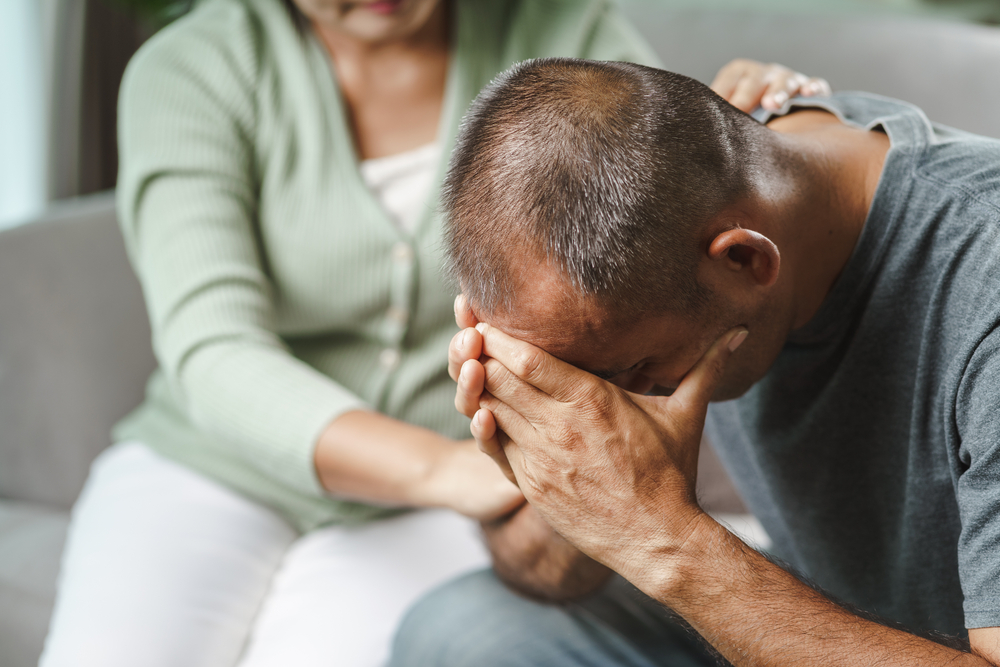

So, whenever we think of PTSD (post-traumatic stress disorder), we often associate it with its profound impact on one’s mental health. However, the effects of PTSD extend far beyond emotional well-being, potentially affecting many aspects of one’s physical well-being as well, which, for your information, does include sexual wellness as well. One such concerning area is the potential link between PTSD and erectile dysfunction. In this article, we explore the complex relationship between PTSD and erectile dysfunction, digging deep into the psychological and physiological factors at play and examining all the evidence that supports whether PTSD can indeed lead to erectile dysfunction.
What is Erectile Dysfunction?
Erectile dysfunction, which some also call impotence, is a condition characterized by one’s inability to achieve or maintain an erection firm enough for sexual intercourse. It can also refer to the difficulty in achieving ejaculation or reducing sexual drive. Erectile dysfunction can be caused by various physical and psychological factors.
What is PTSD? How Trauma Affects Mental and Physical Health
Post-traumatic stress disorder, better referred to as PTSD, is a mental health condition that is triggered by witnessing or experiencing a traumatic event. Its symptoms include flashbacks, nightmares, anxiety, and negative thoughts. To explain PTSD with a more simple example, have you seen the American sniper? The guy who killed Chris Kyle was suffering from severe PTSD and thought that Chris was his enemy. PTSD can severely impact one’s daily functioning and quality of life. However, with the help of proper treatment, many individuals have managed to change their lives.
Causes of Erectile Dysfunction: Physiological & Psychological Factors
Physical Health Conditions:
Chronic diseases like diabetes, hypertension, heart disease, and obesity are some of the major physical factors that revolve around erectile dysfunction as they affect blood circulation and nerve functions.
Medicines:
Certain medicines prescribed for high blood pressure, depression, anxiety, and prostrate conditions have been found to interfere with erectile functions.
Lifestyle Factors:
Smoking, excessive alcohol consumption, obesity, and other unhealthy lifestyle choices have been found to increase the risk of erectile dysfunction.
Psychological Factors:
Various psychological elements like stress, anxiety, depression, and relationship problems have also been found to be major contributors that affect erectile functions, arousal, and sex drive.
Physical Injury:
Any sort of injury or surgery to the pelvic area can damage nerves and blood vessels that contribute to erection, which can result in erectile dysfunction.
Hormonal Imbalances:
Low testosterone has been on the list of the major contributors to erectile dysfunction.
Neurological Disorders:
Certain conditions that affect the nervous system, like multiple sclerosis or Parkinson's disease, interfere with the brain's ability to communicate with the reproductive system, leading to erectile dysfunction.
What is the Link Between PTSD and Erectile Dysfunction?
The link between PTSD (post-traumatic stress disorder) and erectile dysfunction is a bit complex and multifaceted. Explaining each situation in simple words, PTSD is a mental condition that is triggered by unwanted experiences and trauma and leads to a range of psychological and physiological symptoms that can lead to erectile dysfunction. Here are some ways PTSD can be linked to erectile dysfunction.
Psychological Factors:
PTSD involves symptoms like depression, anxiety, and hypervigilance, which have been found to affect sexual desire and arousal. People suffering from PTSD experience intrusive thoughts or flashbacks related to traumatic events, which can turn out to be mood killers and interrupt someone's brain from relaxing and engaging in a sexual activity.
Stress/Arousal:
PTSD has been long associated with causing chronic stress, leading to the production of cortisol (the stress hormone) in the body. Heightened cortisol levels tend to interfere with sexual functions and further contribute to erectile dysfunction.
Relationship Issues:
An individual with PTSD tends to distance himself or herself emotionally and physically from the world, which can lead to hampered relationships and problems, which is a major contributing factor to stress that leads to erectile dysfunction.
Side Effects:
Medicines like antidepressants and antianxiety, which are commonly used to treat PTSD, can have sexual side effects and may contribute to erectile dysfunction.
Physical Health Effects:
People suffering from PTSD can engage in unhealthy coping mechanisms like smoking, alcohol consumption, or excessive drug use, which increases the risk of developing certain physical health conditions that can contribute to erectile dysfunction.
Overall, the relationship between PTSD and erectile dysfunction is very complex, requires deep understanding, and involves a combination of psychological, physiological, and relational factors. It is very crucial for an individual to consult and seek professional help if someone notices the symptoms of PTSD and erectile dysfunction. As a matter of fact, over 200 million Indians suffer from erectile dysfunction, but only 2% of the affected population seeks proper medical attention. Rxmen provides a discreet experience for individuals who find it difficult to speak up or address their sexual dysfunction. Rxmen provides a complete consultation process. Our industry-best psychologists help you diagnose the root cause of your issue before suggesting any kind of medical care. Rxmen has helped over 1,00,000 people overcome their sexual dysfunctions. Our users have seen effective results within 30 days of starting their treatment journey. All it takes is one phone call to start your journey towards wellness.
Erectile Dysfunction Treatment Options for PTSD Patients: Overcoming Trauma-Induced ED
Someone suffering from PTSD and erectile dysfunction at the same time can refer to the below-mentioned potential treatment options.
Therapy:
CBT (cognitive-behavioral therapy) and TFT (trauma-focused therapy) have shown positive results in helping individuals cope with symptoms related to PTSD, as therapies also tend to address the underlying psychological factors that contribute to erectile dysfunction, like anxiety and depression.
Medicines for PTSD:
In most cases, individuals with PTSD can take help from antidepressants or anti-anxiety medications, which can alleviate any psychological factor contributing to erectile dysfunction. Some medications, like serotonin reuptake inhibitors (SSRIs) or serotonin-norepinephrine reuptake inhibitors (SNRIs), may also have beneficial effects on sexual function. Taking erectile dysfunction into consideration as well, certain medicines that are prescribed to treat erectile dysfunction, like sildenafil (Viagra), tadalafil (Cialis), or vardenafil (Levitra), also help increase blood flow to the genitals for improved erectile function. It's essential to discuss any potential medication interactions with your healthcare provider, especially if you are already taking medications for PTSD.
It is very important for someone experiencing both PTSD and erectile dysfunction to consult a healthcare professional in order to create a personalized treatment plan, tailored to their specific needs and circumstances.

Comment section
Comments