

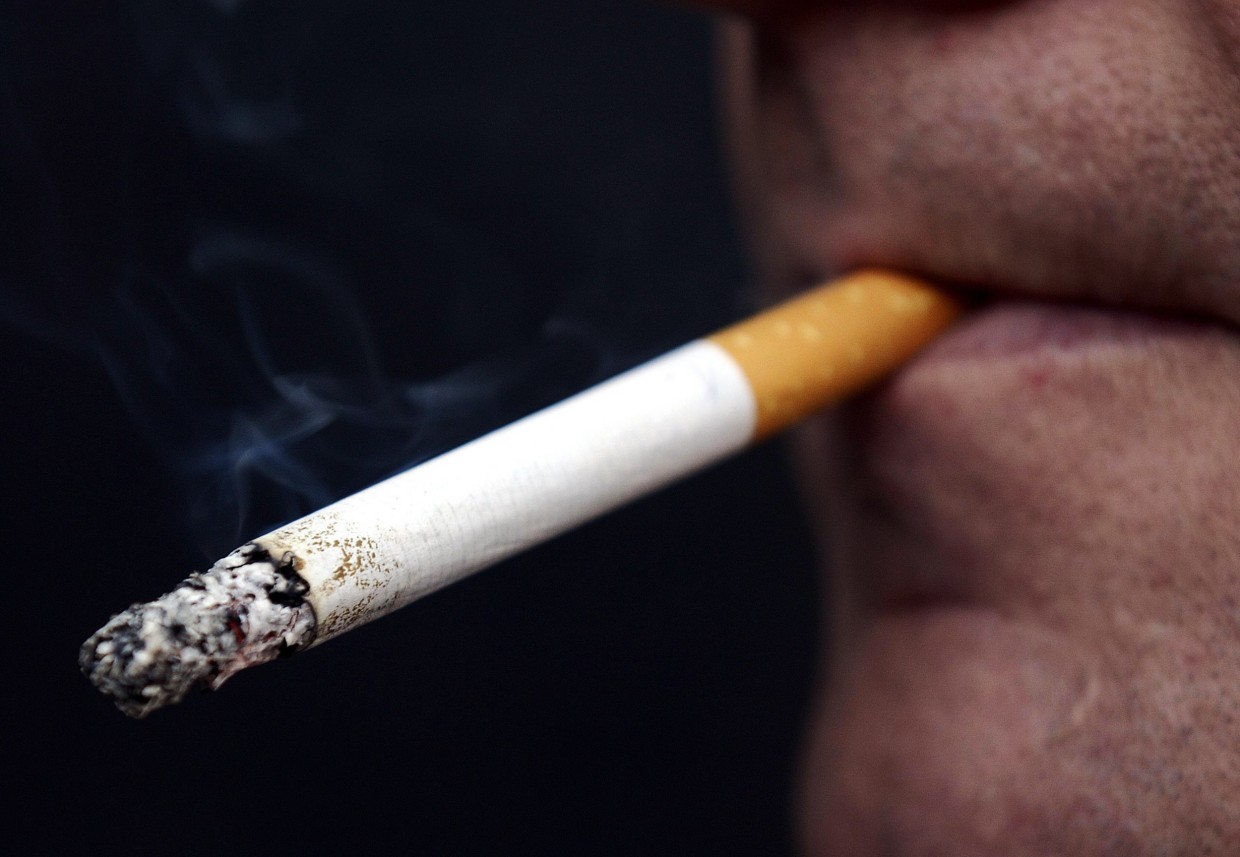

Cigarettes and smoking have for long been a symbol of being cool. From iconic Bollywood heroes leaning against a car and smoking as they intimidate the villain, to every nukkad in India, smoking is hardly something that people are doing secretly. But those days are fading fast. We all know that smoking is a serious health risk, every movie theater shows the ads to let us know that it’s linked to deteriorating lung health, and every box of cigarettes has the horrifying image of throat cancer. However, there’s another potential consequence that might surprise a lot of people: erectile dysfunction. That’s the technical term for what we might more commonly know as not being able to stay firm and maintain an erection for the entire duration of sexual intercourse, or not being able to get an erection in the first place. Let’s face it, maintaining the “hero” image isn’t really worth messing things up in the bedroom. So, the question remains, can smoking really be affecting more than your physical health? Ditch the lighter (and the cigarettes, of course!), and let’s find out if smoking can really lead to erectile dysfunction.
What exactly goes on inside our body when we smoke?
Cigarettes and other substances that people use to smoke contains something known as “nicotine”. Nicotine comes from the leaves of a plant called tobacco. Nicotine is responsible for several changes in the body, and it also develops a tolerance in our body. This means that after a point, the same amount of nicotine wouldn’t have the same effect on our body, which eventually leads to an increase in the number of cigarettes you might smoke in a day.
Our brain releases a lot of chemicals known as “neurotransmitters”, which are responsible for carrying out different functions in our body and essentially make sure everything is working in proper condition. Nicotine acts on these chemicals and increases the release of those that produce pleasure. Doesn’t sound that bad, right? Who would mind if some extra happiness is released in our body? Now imagine, the effect of that nicotine wears off, and all that pleasure that was actually produced by nicotine just fades away. That sudden decrease in pleasure is what pulls people to smoke again, to experience that again, till it just becomes a vicious cycle you can’t get out of.
How does our body respond to sexual activity?
Testosterone is mainly what coordinates sexual desire and arousal in males. Imagine it as the conductor of an orchestra, coordinating different systems in the body to create a smooth and satisfying sexual experience. Testosterone, hence, takes care of:
- Libido: Think of testosterone as a key that unlocks the desire for sexual activity in the first place.
- Erection: Testosterone allows for proper blood flow into your penis and maintenance of that desire.
- Sperm Production
- Arousal
- Orgasm
- Overall Performance
When you’re engaging in sexual activity, testosterone takes a lead role, with other hormones like estrogen, dopamine, oxytocin, adrenaline and prolactin, among others, in tow. So essentially, for you to have a good time, a whole lot of other processes are going on in the background.
Where does smoking come in?
The chemical we talked about earlier, nicotine, is present in most of the substances that are smoked. Nicotine affects the cells that produce testosterone, and this reduces the production. So, what this means is, smoking can essentially lead to a decreased increase in sex, not being able to get aroused, not being able to get an orgasm, and so on. It can also cause genetic damage to your sperms, and decrease your sperm count. Speaking specifically of erectile dysfunction, smoking can cause damage to blood vessels throughout the body including those in your penis. If there isn’t enough blood flow to your penis, and testosterone levels are in a decline, you won’t be able to maintain an erection, or maybe even get one in the first place.
How can stopping smoking help?
If you’re worried about erectile dysfunction, and want to stop smoking, take a chill pill, because not all of the damage is permanent! There is a big part of the damage that is reversible if you stop at the right time. Although you might not be on the same level of risk as non-smokers, you’re not too behind on that line, either! However, when you stop smoking, there are some things you need to be prepared for accordingly. When you smoke for a long time, your body gets used to that effect. So naturally, when you quit, your body will react in need of that effect. These are what are usually called withdrawal symptoms, and you don’t necessarily have to be an addict to any substance to experience these. Some of these symptoms include irritability, anxiety, and increased eating. Some people also experience a sense of dysphoria (a general state of unhappiness) and dysregulation. If you’re worried about the damage that’s already been caused by smoking, don’t worry. Your body has an amazing ability to heal itself, and you’ll be better in no time! Rxmen provides a discreet experience for individuals who find it difficult to speak up or address their sexual dysfunction. Rxmen provides a complete consultation process. Our industry-best psychologists help you diagnose the root cause of your issue before suggesting any kind of medical care. Rxmen has helped over 20,000 people overcome their sexual dysfunctions. Our users have seen effective results within 30 days of starting their treatment journey. All it takes is one phone call to start your journey towards wellness.

Comment section
Comments