

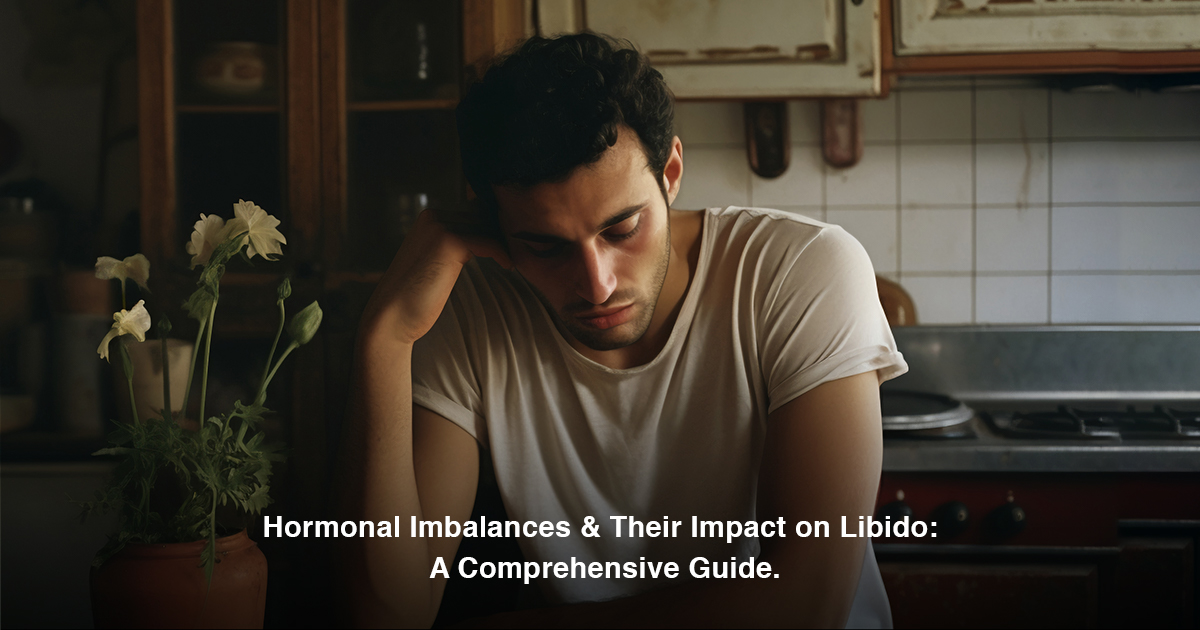

Hormonal Imbalances and Their Impact on Libido: A Comprehensive Guide
In the intricate symphony of our bodies, hormones play the role of the conductor, guiding various functions and ensuring harmony. However, when these chemical messengers fall out of sync, it can lead to noticeable changes, particularly in our sexual desire. For many, this can be a silent struggle, but understanding the connection between hormonal imbalances and libido is the first step toward finding balance and reigniting the spark in your intimate life.
The Dance of Hormones and Libido
Libido, often described as our natural drive for intimacy, is influenced by a complex interplay of factors, with hormones playing a starring role. Imagine testosterone, often seen as the powerhouse of male sexual desire, also making a cameo in women's lives. Estrogen, the queen of female sexual health, ensures a flourishing libido. Progesterone keeps the rhythm of the menstrual cycle, subtly influencing sexual desire. Then there’s oxytocin, the “love hormone,” fostering closeness and connection. Meanwhile, cortisol, the stress hormone, can be a real killjoy when it comes to libido, and thyroid hormones keep our energy levels in check, ensuring we have the zest for life and love.
Why Hormones Go Out of Tune
Several factors can throw our hormonal symphony out of tune. Ageing naturally shifts our hormone levels, bringing challenges like menopause in women and andropause in men. Chronic stress, the relentless conductor of modern life, elevates cortisol levels and disrupts the harmony of other hormones. Medical conditions like polycystic ovary syndrome (PCOS), thyroid disorders, and diabetes can also interfere with our hormonal balance. Medications, particularly hormonal contraceptives and antidepressants, might have side effects that ripple through our hormonal harmony. Lifestyle choices, including poor diet, lack of exercise, and inadequate sleep, can further exacerbate these imbalances. Additionally, obesity can alter hormone levels, especially estrogen and testosterone, creating further discord.
Spotting the Signs of Imbalance
Recognising the symptoms of hormonal imbalances is crucial for addressing them effectively. Have you noticed a diminished desire for intimacy, a significant drop in interest in sexual activity? Men might experience erectile dysfunction, struggling to achieve or maintain an erection. Women may face vaginal dryness, making sexual activity uncomfortable. Fatigue, that persistent tiredness, can also dampen sexual desire. Mood swings, including irritability, depression, and anxiety, can further affect libido. For women, menstrual irregularities can signal hormonal imbalances, while men might notice changes in their overall vitality.
Seeking Harmony Through Diagnosis
If you suspect that hormonal imbalances are affecting your libido, it's essential to consult a healthcare professional. Diagnosis typically involves a comprehensive review of your symptoms and overall health. Your medical history and physical examination provide valuable insights, while blood tests measure hormone levels, including testosterone, estrogen, progesterone, thyroid hormones, and cortisol. In some cases, imaging studies like ultrasound or MRI may be necessary to examine the reproductive organs or endocrine glands, helping pinpoint the root cause of the imbalance.
Restoring Balance and Reigniting Desire
Treatment options for hormonal imbalances depend on the underlying cause and may involve various strategies. Lifestyle changes, such as adopting a balanced diet, regular exercise, and improving sleep habits, can naturally restore hormonal balance. Stress management techniques like meditation, yoga, and therapy can help reduce cortisol levels. Hormone replacement therapy (HRT) may be recommended to restore hormone levels in cases of menopause or andropause. Specific medications can address conditions like PCOS, thyroid disorders, and erectile dysfunction. Natural supplements, such as maca root or ginseng, might also help balance hormones. Counselling and therapy can address psychological factors and relationship issues, improving libido and overall well-being.
Conclusion
Hormonal imbalances can profoundly impact libido, affecting both men and women. Understanding the causes and symptoms of these imbalances is the first step towards seeking appropriate treatment and restoring balance. By addressing hormonal imbalances through lifestyle changes, medical interventions, and stress management, individuals can improve their sexual health and overall well-being. If you suspect a hormonal imbalance is affecting your libido, consult a healthcare professional to explore your options and find a solution that works for you. Reignite the spark and embrace a healthier, more fulfilling intimate life.
Our Other Services:
Sex Therapy in Delhi | Sex Therapy in Mumbai | Sex therapy in Bangalore | Vaginismus Treatment | Sexologist in Delhi | Sexologist in Bangalore | Sexologist in Pune | Sexologist in Kolkata | Sexologist in Mumbai | Best Sexologist in India

Comment section
Comments