

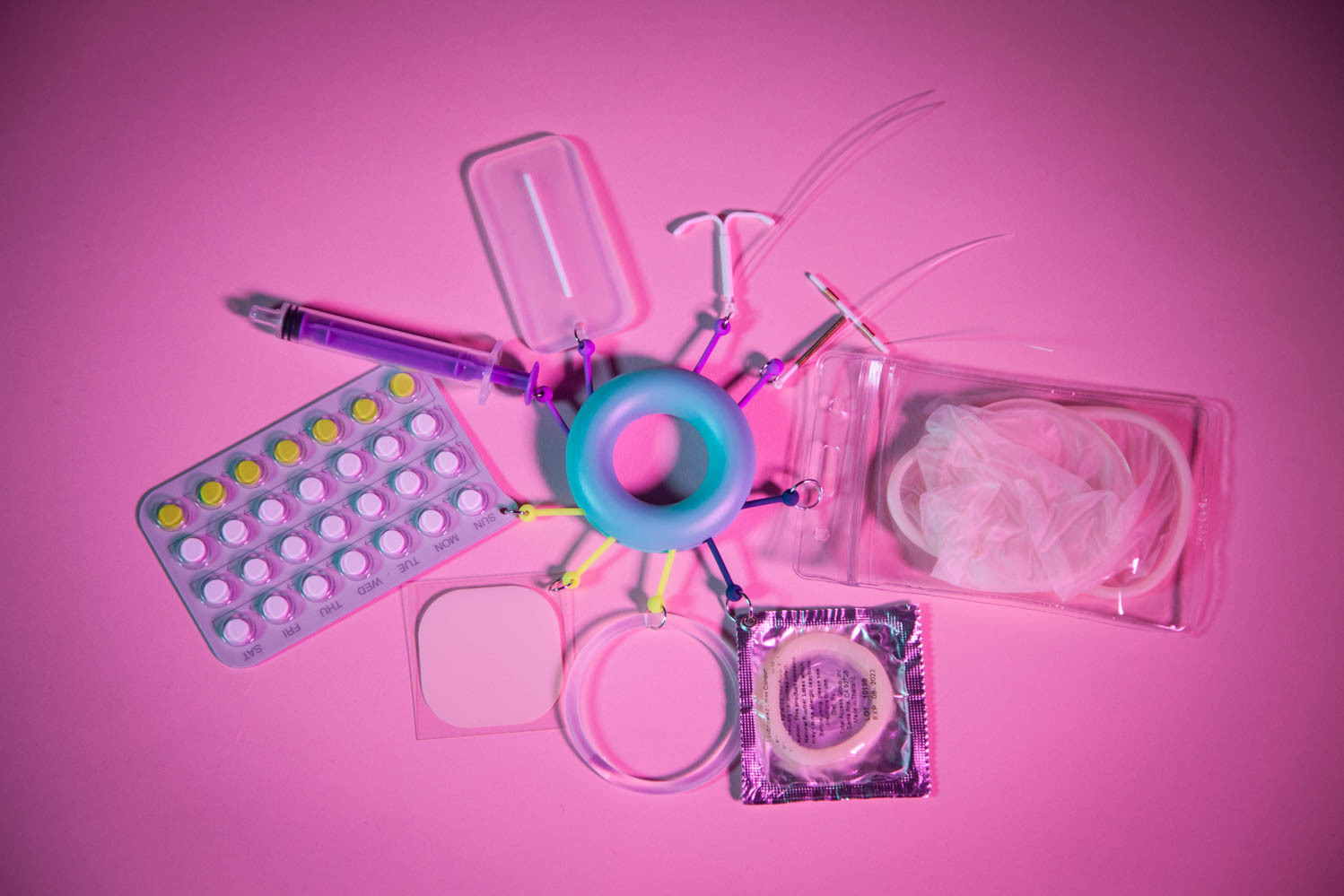

Deciding on a birth control method is a significant and personal decision that can impact your health and lifestyle. With a variety of options available, it's essential to choose one that best fits your needs and life circumstances. At RxMen, we provide a discreet and comprehensive consultation process to help you make informed decisions about birth control. Here's a guide to help you understand the best and most effective birth control methods available.
What Are the Best Contraceptive Methods & Their Effectiveness?
The effectiveness of a birth control method is critical in your decision-making process. Here are some of the most reliable options:
Intrauterine Devices (IUDs):
These devices are inserted into the uterus and can prevent pregnancy for several years. There are two types: hormonal IUDs (which release a small amount of progestin) and copper IUDs (which are hormone-free and use copper to prevent sperm mobility).
Implants:
A small rod inserted under the skin of your arm releases hormones that prevent ovulation. It's one of the most effective methods available and works for several years.
Sterilization:
Surgical procedures like tubal ligation for women and vasectomy for men provide a permanent solution to birth control.
How to Choose Birth Control – Factors to Consider for the Best Method
Choosing the right birth control method involves considering several factors about your health, lifestyle, and reproductive goals.
Consider Your Health:
Some methods, like hormonal birth control pills, patches, or rings, may not be suitable for women with certain health issues.Think About Convenience:
Decide if you prefer a method that requires daily attention, like the pill, or a long-term solution, like an IUD, that you don’t have to think about once it’s in place.Reflect on Future Plans:
Consider how soon you might want to have children. Some methods, like the IUD, are reversible and allow you to conceive shortly after they are removed.What Are the Side Effects of Different Birth Control Methods?
Understanding the potential side effects is essential when selecting a birth control method:
Hormonal Methods:
It can sometimes result in side effects such as weight gain, mood changes, or irregular bleeding.Barrier Methods:
Such as example, condoms are typically free from systemic side effects but can cause allergic reactions in some people.Natural Methods:
Require meticulous tracking of fertility signals and have a higher failure rate compared to other methods.How Do I Know What Birth Control is Best for Me?
To determine the best birth control for you, consider the following steps:
Consult with a Healthcare Provider:
A doctor or a healthcare professional can provide comprehensive information about the different types of birth control methods available and help assess which one suits your health needsEvaluate Your Health Status:
Certain health conditions can influence the suitability of some birth control methods. For instance, hormonal methods may not be recommended for women who have a history of blood clots, certain cancers, or uncontrolled high blood pressure.Consider Your Lifestyle:
Convenience and lifestyle are significant factors. Methods like the pill require daily attention, while an IUD or implant is more 'set it and forget it'.Think About Your Reproductive Goals: Reflect on whether you want children in the future and how soon. This can affect whether you choose a reversible method or a more permanent solution.
How to Choose the Right Birth Control – Safest Methods & Effectiveness
Choosing the right contraception involves understanding the options and how they align with your personal and health priorities:
Understand the Different Types:
Broadly, birth control methods can be classified into hormonal, barrier, intrauterine devices (IUDs), sterilization, and natural rhythm methods. Each has itsadvantages and side effects.
Effectiveness:
Consider how effective each method is in preventing pregnancy. Methods like IUDs, implants, and sterilization are among the most effective, reducing the risk of unplanned pregnancy significantly.Duration and Reversibility:
Some methods, like hormonal IUDs, can last up to 5-10 years, whereas others, like pills or condoms, are used as needed. Consider how long you want your birth control to last and if you might want to become pregnant soon.What to Consider Before Using Birth Control
Before starting any birth control method, it's important to weigh several considerations:
Side Effects:
Understand the potential side effects associated with different birth control methods. For example, hormonal contraceptives can cause mood swings, weight gain, or changes in menstrual bleeding.Cost and Accessibility:
Analyze the cost and whether it’s covered by your insurance. Also, consider the accessibility of the birth control method. Some methods, like the implant, require a healthcare provider for insertion and removal.Protection Against STIs:
Note that most birth control methods do not protect against sexually transmitted infections (STIs). Using condoms remains the best method for STI prevention.RxMen values your health and privacy, offering a personalized approach to sexual and reproductive health care. Our experts are here to guide you through choosing the right birth control method, considering all aspects of your health and lifestyle needs. We've helped over 100,000 people address their sexual health concerns, with many seeing significant improvements quickly.
If you're considering your birth control options and need guidance, RxMen is here to help with discreet consultations and expert care. Contact us today to start your journey towards a well-informed and healthy reproductive life. Your wellness journey is just a phone call away.
Our Other Services:
Sex Therapy in Delhi | Sex Therapy in Mumbai | Sex therapy in Bangalore | Vaginismus Treatment | Sexologist in Delhi | Sexologist in Bangalore | Sexologist in Pune | Sexologist in Kolkata | Sexologist in Mumbai | Best Sexologist in India

Comment section
Comments