


Well, it's time to pull your pants as we dive deep into the realm of penile implants, or penis implants. It's a topic that is both fascinating and essential for men's sexual health. In this guide, we’ll not only uncover every aspect of penis implants but also explore their uses, benefits, mechanisms, myths, and dispel any attachments to this topic. So, whether you are seeking any solutions for your erectile dysfunction or are just curious about knowing more about penis implants, let's embark on this exploration together and discover the transformative power of penile implants.
What are penis/penile implants?
Penile implants, better referred to as penis prostheses, are a certain type of medical device that is surgically implanted into the penis to treat a very severe sexual disorder called erectile dysfunction. Erectile dysfunction also happens to be one of the most prominent sexual disorders among Indian men. According to a study, over 4 in every 10 men face this issue. However, less than 4% of the total affected population searches for a cure. Most are scared of being judged, are too concerned about their privacy being breached, or are just not sure about the results. This just makes things even worse. This is where Rxmens comes into the picture. Rxmens provides a discreet experience for individuals who find it difficult to speak up or address their sexual dysfunction. Rxmens provides a complete consultation process. Our industry-best psychologists help you diagnose the root cause of your issue before suggesting any kind of medical care. Rxmens has helped over 1,00,000 people overcome their sexual dysfunctions. Our users have seen effective results within 30 days of starting their treatment journey. All it takes is one phone call to start your journey towards wellness.
Technically, there are two major types of penis implants, which have been listed below:
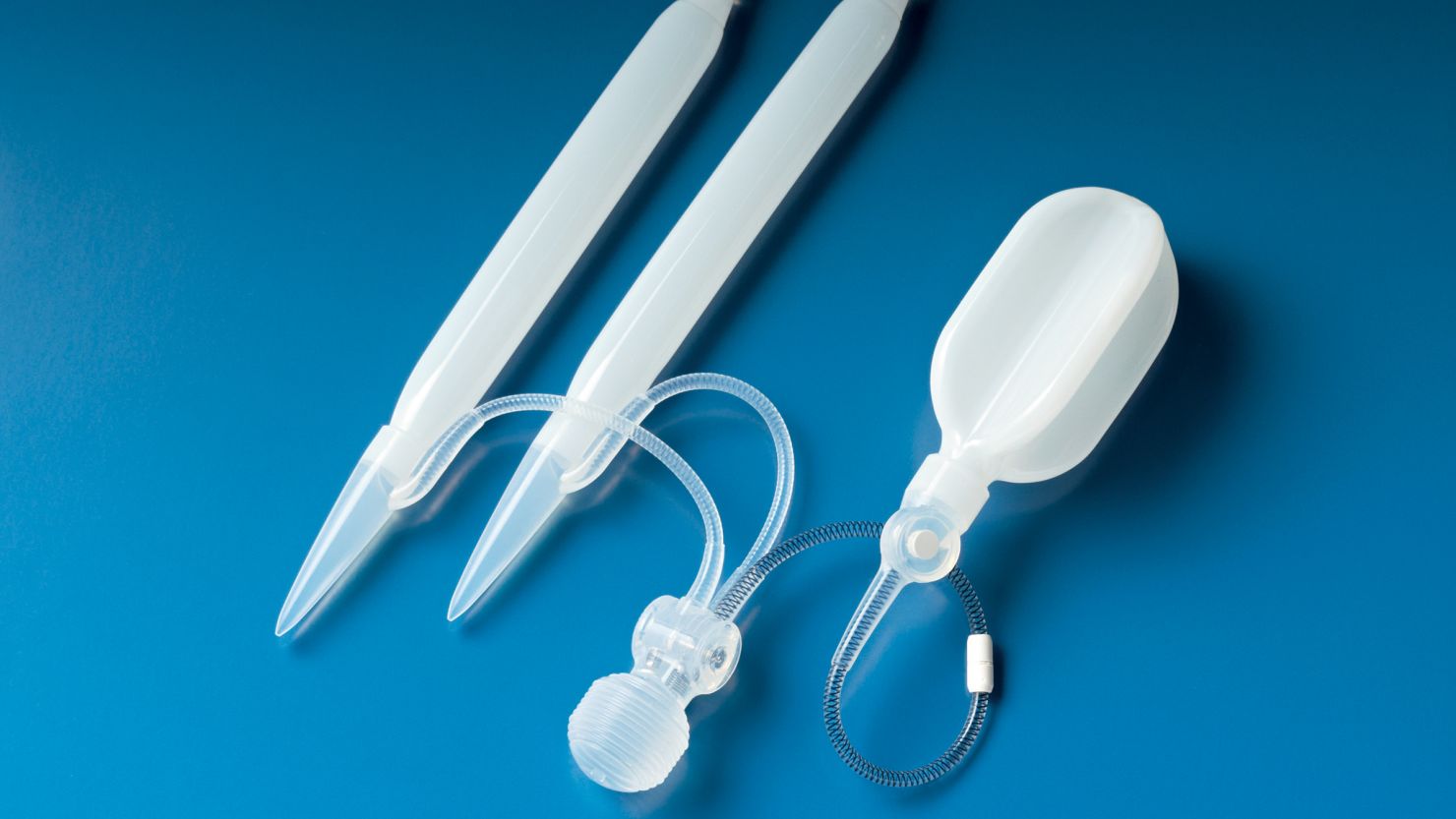
- Inflatable Implants: These implants consist of two inflatable cylinders that are placed within the penis walls, then a fluid reservoir gets implanted into the abdomen, along with a pump that gets implanted into the scrotum or the groin. Whenever the pump is activated, the fluid from the reservoir is transferred to the cylinder implanted into the penis walls, causing the penis to become erect. After any sexual engagement, the pump can be deactivated, and the fluid then returns to its reservoir, which eventually causes the penis to return to its flaccid state.
- Semi-Rigid or Malleable Implants: These implants are just like bendable rods that are inserted into your penis. They just allow the penis to be manually positioned for sexual engagement and bent downward when not in use.
It is very important to note that each implant has its pros and cons, and the choice between them typically depends on an individual's preference, medical history, and anatomy.
What should I expect from a penile implant surgery? (Pre, During and Post OP)
Before Surgery
A penile implant surgery is generally performed in a hospital. The doctor might give you a sedative or pain block medicine in order to relieve your pain. It is also very common for the doctor to offer you antibiotics through an IV to prevent any sort of infection. The surgery area will then be cleaned using a special antibacterial solution and shaved to reduce the chances of any infection.
During Surgery
While in surgery, a tube-like structure might be inserted into your bladder via the penis to collect urine. The first step involves the surgeon making an incision below the head of the penis, or the lower abdomen.
During the surgery, a catheter-like tube may be inserted into your bladder through the penis to collect urine. Your surgeon will make an incision below the head of the penis, at the base, or in the lower abdomen. The surgeon will then stretch the sponge-like tissue inside the penis, called the corpora, which usually fills with blood during erection. After that, the surgeon selects the perfect size of the implant and inserts the cylinders into the penis while customizing them to fit your body. If it's a two-piece inflatable device, a pump and a valve are then placed inside the scrotum. And for a three-piece device, a fluid reservoir is also planted above the abdominal wall, which sometimes requires a second incision in the abdomen. Once the surgeon places the device, all the incisions are closed. The entire surgery takes about 45 minutes to an hour.
Post Surgery
After the surgery is completed, you receive a set of post-op medication packages. You might experience mild discomfort for a few weeks, for which you will have to take antibiotics as prescribed by your doctor. It takes about 4–6 weeks for you to resume your everyday routine
How long does a penile implant last?
Generally, a penis implant lasts for around 20 years. It stops functioning as it reaches the end of its lifespan.
How common are penis implants?
Penile implants are becoming increasingly popular; according to a study, over 63,000 procedures were performed worldwide between 2005 and 2012. Another surprising fact about these numbers is that around 86% of them were performed in the United States.
Do penile implants make your penis bigger?
The straight answer to this question is ‘NO’. Penis implants don't increase penis size. In fact, your erection might appear shorter than before surgery. Moreover, the head of the penis does not become hard after inflation. Although, modern-day implants can enhance your length, thickness, and stiffness with regular use,.
What are the pros and cons of a penile implant?
Let's start with the pros.
- Reliability: They offer a reliable solution for sexual disorders like erectile dysfunction.
- Present as per need: Unlike other treatment options, which require a lot of planning, customized medications, and a lot of time,. Penis implants allow spontaneous erections.
- It feels the same: They closely mimic a natural erection, which doesn't make you feel that awkward.
- It feels the same: They closely mimic a natural erection, which doesn't make you feel that awkward.
Cons of getting a penis implant:
- Surgery: Surgeries always carry the risk of infections, bleeding, or other complications related to anesthesia.
- Mechanical Failure: Although rare, they can sometimes have mechanical failures that require revision surgeries.
- Cost: A penile implant surgery can turn out to be an expensive experience, and your insurance might not even cover the entire cost.
- Change in Stimulation: Some men can experience changes in sensations, appearance, and satisfaction.
Now, in conclusion, penile implants do offer a transformative solution for men suffering from sexual disorders like erectile dysfunction. While the final decision to undergo implant surgery should not be taken lightly, the benefits of restoring sexual functions and improving confidence are life-changing. With the latest advancements in technology and surgical techniques, penile implants continue to evolve and offer hope and promise to those seeking to reclaim their intimate lives. Remember, discussions about sexual health are essential, and with the right information and support, men can make informed decisions about their sexual well-being.

Comment section
Comments