

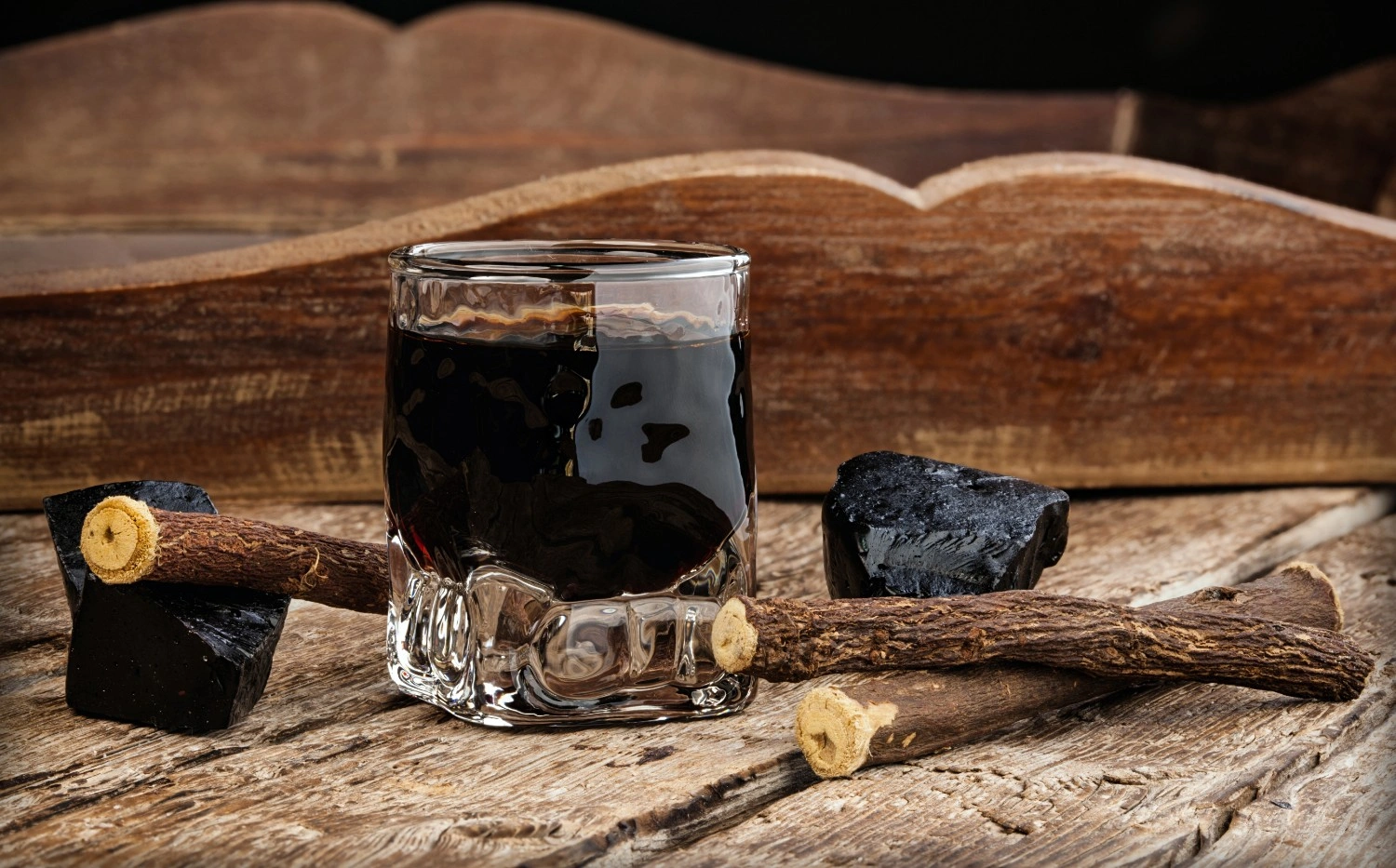

Shilajit, a powerful natural substance, has been revered for centuries in traditional medicine, particularly in Ayurveda. Often referred to as “the destroyer of weakness,” this mineral-rich resin forms over hundreds of years from the decomposition of plant material in mountainous regions like the Himalayas. Ancient practitioners valued Shilajit for its ability to enhance strength, stamina, and overall well-being, making it a cornerstone of holistic healing.
Today, Shilajit continues to gain recognition for its numerous health benefits, particularly in the realm of men’s health and vitality. Among its many uses, one of the most sought-after advantages is its role in supporting hormonal balance.
Research suggests that Shilajit for testosterone production is particularly effective, helping to regulate and boost levels naturally. As a result, it has become a popular supplement for individuals looking to improve energy, muscle strength, and overall physical performance.
Beyond hormonal health, Shilajit is also rich in fulvic acid, essential minerals, and antioxidants, contributing to enhanced cognitive function, immune support, and anti-aging properties. Many turn to Shilajit for testosterone support to combat age-related declines in energy and muscle mass, as well as to improve overall vitality. With modern scientific studies backing its efficacy, this ancient remedy continues to hold a significant place in the world of wellness.
For those seeking natural ways to enhance their well-being, Shilajit for testosterone remains a compelling option, offering a holistic approach to hormonal balance and long-term health benefits.
Whether used for traditional healing or modern supplementation, its reputation as a powerful natural enhancer remains strong. With increasing global interest, more individuals are discovering the potential of Shilajit for testosterone and its wide-ranging health benefits.
What is Shilajit?
Shilajit is a thick, resin-like substance that oozes from the rocks of high-altitude mountain ranges, especially the Himalayas. It takes centuries to form as organic plant material slowly decomposes and gets enriched with minerals, making it one of nature’s most potent health supplements.
For thousands of years, Ayurveda, India’s ancient system of medicine, has celebrated Shilajit as a powerful remedy for strength, energy, and overall well-being. Known as the “destroyer of weakness”, it has been used to boost stamina, support mental clarity, and enhance vitality. Among its many uses, Shilajit's benefits for male testosterone have made it a popular choice for those looking to enhance hormonal health naturally.
Packed with over 80 minerals, fulvic acid, and antioxidants, Shilajit plays a crucial role in maintaining balance in the body. Many turn to Shilajit benefits for male testosterone as a natural way to improve energy levels, endurance, and muscle strength. Whether used in traditional healing or modern supplementation, Shilajit benefits for male testosterone continue to be recognized for their ability to support overall vitality and well-being.
What are Some of the Natural Testosterone Boosters?
D-Aspartic Acid (DAA)
D-aspartic acid (DAA) is an amino acid that plays a key role in testosterone production by stimulating the release of luteinizing hormone (LH) from the pituitary gland. LH signals the testes to produce more testosterone, making DAA an essential player in hormonal balance. Naturally found in glands like the pituitary and testes, DAA is often used as a supplement to support male reproductive health. However, research shows that while short-term supplementation may boost testosterone levels, the effects may diminish over time, making it a limited long-term solution.
Ginger
Ginger is more than just a kitchen staple—it’s a powerful natural testosterone booster. Studies suggest that ginger enhances LH production and improves blood flow, which can support reproductive health. Additionally, its high antioxidant content helps combat oxidative stress, a major factor in declining testosterone levels. Research indicates that ginger supplementation may improve sperm quality and testosterone levels, particularly in men facing fertility challenges. Its ability to reduce inflammation and improve overall metabolic health makes it a valuable addition to a testosterone-supporting diet.
Zinc
Zinc is a crucial mineral for testosterone synthesis and immune function. It directly contributes to the production of LH, which regulates testosterone levels, and also supports sperm quality. A deficiency in zinc has been linked to lower testosterone levels, fatigue, and weakened immunity. To maintain optimal levels, consuming zinc-rich foods such as oysters, nuts, seeds, eggs, and dairy is recommended. While supplementation can help those with deficiencies, excessive intake may lead to imbalances, making a well-rounded diet the best approach.
Tribulus Terrestris
A well-known herb in traditional medicine, Tribulus Terrestris has long been used to enhance libido and fertility. It is believed to mildly stimulate LH production, which can contribute to testosterone regulation. However, research on its direct impact on testosterone levels is mixed, while some studies show benefits for reproductive health, others suggest minimal hormonal effects. Despite the debate, it remains a popular natural remedy for improving sexual function and energy levels, especially in Ayurvedic and Chinese medicine.
Ashwagandha
Ashwagandha is a powerful adaptogen, meaning it helps the body manage stress and anxiety. One of the ways it supports testosterone levels is by reducing cortisol, a stress hormone that negatively impacts testosterone production when elevated. Research indicates that men who take ashwagandha supplements experience higher testosterone levels and improved sperm quality. Additionally, it enhances physical performance, making it a valuable supplement for both reproductive health and overall well-being.
Vitamin D
Vitamin D is often called the sunshine vitamin, but it also plays a significant role in testosterone production. Studies have linked Vitamin D deficiency to lower testosterone levels, fatigue, and reduced muscle strength. Since natural sunlight is the best source, spending 15–30 minutes outdoors daily can help maintain optimal levels. For those with limited sun exposure, Vitamin D-rich foods (like fatty fish and egg yolks) or supplements can be effective in supporting hormone balance and overall health.
Fenugreek
Fenugreek is a traditional herb known for supporting hormonal balance and libido. One of its key benefits is its ability to reduce the conversion of testosterone into dihydrotestosterone (DHT), a process that can lead to hormonal imbalances. By preserving more free testosterone in the body, fenugreek can support muscle growth, energy levels, and reproductive health. Many men also take it to enhance libido and physical endurance, making it a well-rounded supplement for male health.
Natural solutions like herbs, vitamins, and minerals offer a safe and effective way to support testosterone levels and overall well-being. While results may vary, incorporating these science-backed nutrients into a balanced diet and lifestyle can contribute to better hormonal health, increased energy, and improved vitality over time.
Read our in-depth guide on 10 Best Foods to Increase Your Testosterone Hormone Naturally
Comparing Shilajit with Testosterone Boosters
Testosterone is a key hormone responsible for energy, muscle strength, and overall vitality in men. Many turn to supplements to support healthy levels, with Shilajit and other testosterone boosters being popular choices. While Shilajit benefits for male testosterone have been recognized in traditional medicine for centuries, synthetic and herbal alternatives vary in effectiveness.
Shilajit is a natural, mineral-rich resin formed in high-altitude mountains like the Himalayas. It contains fulvic acid and over 80 minerals, which help stimulate testosterone production naturally. In contrast, synthetic testosterone boosters often contain artificially derived compounds, which may work faster but come with potential side effects. Herbal supplements like Tribulus Terrestris are also widely used, but studies show insufficient scientific evidence to confirm their effectiveness in significantly raising testosterone levels.
For those seeking a holistic, time-tested solution, Shilajit benefits for male testosterone remain one of the most promising natural approaches. Unlike some alternatives, it not only supports hormonal balance but also enhances overall stamina, endurance, and well-being. As more research continues to validate Shilajit's benefits for male testosterone, it stands out as a reliable, long-term option for maintaining male vitality.
What Are Some of the Benefits of Shilajit?
Shilajit is a mineral-rich, resin-like substance naturally found in high-altitude mountain ranges like the Himalayas. Packed with over 80 essential minerals, fulvic acid, and antioxidants, it has been a cornerstone of holistic medicine, particularly in Ayurveda, for centuries. Traditionally, it has been used to enhance strength, support energy levels, and promote overall well-being.
Many turn to Shilajit as a natural way to support hormonal balance, stamina, and reproductive health. While research suggests it may help boost testosterone levels, improve energy, and enhance endurance, it is important to note that supplements are not a cure or a replacement for medical treatments. Consulting a healthcare professional before use is always recommended, especially for individuals with underlying health conditions.
Cognitive Health and Alzheimer’s Disease
One of the key components of Shilajit is fulvic acid, a powerful antioxidant that may help protect brain health. Research suggests that fulvic acid can prevent the buildup of tau proteins, which are known to form tangles in the brain, a major factor in Alzheimer’s disease. By breaking down these harmful proteins and reducing oxidative stress, fulvic acid may support better memory, focus, and overall cognitive function.
Early studies indicate that Shilajit could enhance mental clarity and potentially slow cognitive decline, but further research is needed to fully understand its long-term effects. While it shows promise as a natural brain booster, it should be considered a complementary supplement, not a medical treatment. Maintaining a balanced diet, regular exercise, and consulting a healthcare professional remain essential for long-term brain health.
Male Fertility and Sperm Health
For centuries, Shilajit has been used in Ayurvedic medicine to support male vitality and reproductive health. Traditionally, it has been valued for its ability to boost energy, enhance stamina, and improve fertility. Modern research is now exploring its potential benefits for sperm health and male fertility.
A clinical study published in Andrologia found that men who took purified Shilajit (100 mg twice daily for 90 days) experienced a 61.4% increase in sperm count and a 12.4 -- 17.4% improvement in sperm motility. Additionally, testosterone levels rose by 23.5%, suggesting that Shilajit may help support better sperm quality and overall reproductive function (source). Scientists believe its high concentration of fulvic acid, antioxidants, and essential minerals plays a role in reducing oxidative stress, which can damage sperm cells.
While these findings are promising, experts emphasize that Shilajit should be seen as a supportive supplement rather than a standalone fertility treatment. For those looking to improve reproductive health naturally, it may be a beneficial addition to a balanced diet, healthy lifestyle, and medical guidance when needed.
Cardiovascular Health
Maintaining a healthy heart is crucial, especially in today’s world, where high cholesterol and triglyceride levels are common concerns due to our diets and sedentary lifestyles. Shilajit, with its rich mineral content and antioxidant properties, may offer a natural way to support heart health.
Shilajit is thought to help lower cholesterol and triglyceride levels by improving the body’s ability to break down fats and reducing oxidative stress. Cholesterol buildup in the arteries is often associated with heart disease, so managing it is essential for reducing the risk of cardiovascular issues.
Additionally, the antioxidants in Shilajit may protect the cardiovascular system from damage caused by free radicals, helping to reduce inflammation and support overall heart function. For those concerned about heart health, especially with lifestyle-related issues like high cholesterol, Shilajit can be a helpful natural supplement alongside a balanced diet and regular exercise to maintain a healthy heart.
Altitude Sickness Relief
When you’re at high altitudes, the reduced oxygen levels can lead to uncomfortable symptoms like fatigue, nausea, and headaches. Shilajit, with its rich mineral content and adaptogenic properties, may offer a natural solution to help combat these issues.
Shilajit is believed to help boost oxygen delivery to muscles, supporting better endurance and stamina even in oxygen-deprived environments. By improving circulation and reducing oxidative stress, it may help alleviate some of the common symptoms of altitude sickness. This can be particularly beneficial for those trekking, climbing, or traveling to higher altitudes where the body is adjusting to lower oxygen levels.
In addition to its potential benefits for fatigue and nausea, Shilajit’s ability to support energy production and oxygenation may allow the body to better cope with the stress of high-altitude conditions, promoting overall physical resilience and well-being.
Skin and Bone Health
Shilajit, with its rich mineral content and powerful antioxidants, offers significant support for both skin and bone health. One of its key benefits is its ability to boost collagen production, which is essential for skin elasticity and joint health. Collagen helps keep the skin firm and smooth, reducing the appearance of wrinkles, while also supporting joint flexibility and mobility, making it a great natural remedy for overall skin and joint health.
For postmenopausal women, Shilajit can be especially beneficial in addressing the challenges of bone loss and inflammation that often arise during this stage of life. The minerals in Shilajit, such as calcium, magnesium, and zinc, support bone density and help reduce the risk of fractures. Additionally, its anti-inflammatory properties can aid in alleviating discomfort related to joint pain and bone health.
By promoting stronger bones and healthier, more youthful skin, Shilajit offers a natural way to maintain vitality as we age, especially for those facing age-related changes like postmenopausal bone loss and joint discomfort.
Iron-Deficiency Anemia
Shilajit is known for its rich mineral content, and it may offer a natural source of iron, which is essential for red blood cell production and preventing iron-deficiency anemia. The iron content in Shilajit can help boost iron levels in the body, supporting energy production and overall vitality. However, it’s important to note that the iron content can vary across different Shilajit supplements, so the amount of iron may not always be consistent.
If you're dealing with anemia or low iron levels, it’s essential to consult a healthcare provider before using Shilajit. While it may be a beneficial supplement for some, anemia requires proper diagnosis and treatment, and a healthcare professional can guide you on the best course of action. It's important to ensure that any supplementation is safe and aligns with your specific health needs.
Muscle Strength and Endurance
Shilajit has gained attention for its potential to improve muscle strength and endurance. High-dose trials have shown that Shilajit may enhance muscle function over time, helping athletes and fitness enthusiasts perform better during physical activities. Its rich mineral content, particularly fulvic acid and other trace minerals, plays a key role in supporting energy production, muscle recovery, and stamina, making it a valuable addition to a fitness routine.
For athletes looking to boost performance or anyone interested in increasing muscle strength, Shilajit’s ability to improve oxygen delivery to muscles and reduce fatigue is particularly appealing. It may also support faster muscle recovery after intense workouts, allowing individuals to train harder and for longer periods.
Whether you're a weightlifter pushing your limits or a runner aiming to improve endurance, Shilajit can be a natural supplement to support your fitness goals, promoting greater strength and enhanced performance over time.
Anti-Viral Properties
Shilajit has shown potential in lab studies for its ability to inactivate viruses such as RSV (respiratory syncytial virus) and herpes. Some research suggests that its antioxidant and antimicrobial properties may help neutralize viral activity, making it an interesting natural candidate for supporting the body’s defense against infections.
However, it’s important to note that these findings are preliminary and have primarily been observed in laboratory settings. Human trials are needed to confirm Shilajit’s effectiveness as an antiviral treatment. While the research is promising, it should not be viewed as a proven solution for viral infections in humans. Always consult a healthcare professional for proper medical advice and treatment.
What Are the Side Effects of Shilajit?
While Shilajit offers numerous potential health benefits, it is important to be aware of its possible side effects, especially when used improperly or in high doses. Below are some known side effects and considerations for individuals considering Shilajit as a testosterone booster-
1. Increased Iron Levels
Shilajit is rich in minerals, including iron, which can be beneficial for individuals with low iron levels. However, for those with conditions like hemochromatosis, a disorder that causes iron overload, increased iron levels could be problematic. High iron levels may lead to organ damage, particularly to the liver and heart, making it important to consult a healthcare provider before using Shilajit, especially for those with iron-related conditions.
2. Hormonal Impacts
As a Shilajit testosterone booster, one of its key claims is its potential to increase testosterone levels. While moderate supplementation may help balance hormones, excessive use or sensitivity to hormonal changes could lead to fluctuations in testosterone levels. This may result in issues like aggression, acne, or changes in mood. If you notice any hormonal imbalances after starting Shilajit, it’s advisable to discontinue use and consult a healthcare professional.
3. Risks of Raw or Unprocessed Shilajit
Raw or unprocessed Shilajit may pose significant health risks. It can be contaminated with harmful substances like heavy metals (e.g., lead, arsenic) or fungi, which could lead to toxicity and other health issues. Consuming raw Shilajit can also result in digestive discomfort, and may be unsafe if not purified properly.
To minimize potential risks, it is crucial to use purified or lab-tested Shilajit from reputable sources. Purified Shilajit has been processed to remove harmful contaminants, ensuring a safe supplement that provides the potential benefits of Shilajit as a testosterone booster without the associated health risks. Always ensure that the Shilajit you choose is certified and tested for purity to protect your health.
By being mindful of these considerations and choosing high-quality products, you can safely enjoy the potential benefits of Shilajit while avoiding the potential risks associated with improper use.
Individual Responses: Why One Size Doesn't Fit All
Individual responses to supplements can vary significantly due to factors like genetics, age, diet, and overall health. What works well for one person may not have the same effect on another, which is why it's important to listen to your body and adjust accordingly. Many people generally tolerate supplements like Shilajit, but that doesn’t mean they are universally effective for everyone. It's essential to assess how your body reacts and consult with a healthcare professional if needed, ensuring that the supplement supports your individual needs. Avoiding a one-size-fits-all approach will help you achieve better, more tailored results.
Understanding Risks and Precautions
Testosterone boosters, though popular, can carry potential risks if not used properly. For example, excessive zinc intake can lead to a zinc overdose, which may cause nausea, vomiting, and impaired immune function. Overuse of certain boosters may also affect hormone levels in a way that can disrupt natural production.
Shilajit, while generally regarded as safe for most people, does have specific cases where it should be avoided. Individuals with sickle cell anemia or hemochromatosis (iron overload disorder) should not take Shilajit due to its potential to exacerbate these conditions. People with known allergies to its components should also avoid using it.
It's important to remember that supplements, including Shilajit, can have varying effects depending on the individual. Always consult with a healthcare professional before starting any supplement, as they can guide you on the right dosage and monitor any potential side effects or interactions with other medications.
The Role of Stress and Holistic Health
Stress is a major contributor to low testosterone levels. When the body experiences chronic stress, it releases cortisol, the stress hormone, which can negatively impact testosterone production. This imbalance can lead to symptoms like fatigue, mood swings, and reduced libido.
Shilajit, when combined with Ashwagandha, offers a potent natural remedy. Ashwagandha is known for its adaptogenic properties, helping the body manage stress more effectively. Shilajit, with its rich mineral content, supports overall vitality and energy, working synergistically with Ashwagandha to promote healthy testosterone levels.
However, supplements alone aren’t a cure-all. A holistic health approach that includes a balanced diet, regular exercise, and sufficient sleep is essential for optimizing testosterone levels. Proper nutrition, including foods that support hormone health, regular physical activity to boost circulation and metabolism, and quality sleep to promote recovery and hormone production, all complement the effects of supplements like Shilajit and Ashwagandha. Together, these practices offer a comprehensive approach to improving overall well-being and hormone balance.
Conclusion
Shilajit: Key Advantages & Safety Considerations
Natural Energy Boost: Shilajit is known for its potential to enhance energy levels and improve overall vitality.
Supports Testosterone: It’s believed to support testosterone production, which is beneficial for men’s health, especially in managing low levels.
Rich in Nutrients: Contains a wealth of minerals and fulvic acid, which may aid in cellular health and overall well-being.
Safety Profile of Shilajit
Generally Safe: Shilajit is well-tolerated by most individuals, but like any supplement, it’s essential to assess individual responses.
Precautions: Avoid if you have conditions like sickle cell anemia, hemochromatosis, or specific allergies. Always perform a personal health assessment.
Shilajit Is Not a Standalone Solution
Holistic Health Approach: Supplements like Shilajit are best used as part of a comprehensive lifestyle that includes proper diet, exercise, and sufficient sleep.
Balance Is Key: Focusing on a balanced lifestyle will maximize the benefits of any supplement, including Shilajit.
Always consult a healthcare provider before incorporating new supplements, especially if you have pre-existing health conditions or are on other medications.
Frequently Asked Questions (FAQs)
How much testosterone does shilajit increase?
Shilajit may help increase testosterone levels by up to 20-30%, though individual responses vary.
What happens if we take shilajit daily?
Daily Shilajit use may enhance energy, vitality, and overall well-being, but should be taken in moderation.
Which is better for testosterone, shilajit or ashwagandha?
Both have benefits, but Ashwagandha is generally considered more effective for reducing stress-related testosterone decline, while Shilajit directly supports testosterone production.
What is the best time to use Shilajit?
It’s best taken in the morning with warm water to boost energy and metabolism throughout the day.
Is Shilajit safe long-term?
Shilajit is generally safe for long-term use when taken in recommended doses, but periodic breaks may be advisable.
Our Other Services:
Sex Therapy in Delhi | Sex Therapy in Mumbai | Sex therapy in Bangalore | Vaginismus Treatment | Sexologist in Delhi | Sexologist in Bangalore | Sexologist in Pune | Sexologist in Kolkata | Sexologist in Mumbai | Best Sexologist in India





























Comment section
Comments