



Erectile Dysfunction (ED) is a condition where a person is unable to achieve or maintain an erection sufficient for sexual activity. This can happen occasionally, but when it becomes a recurring issue, it can affect a person’s confidence and relationships. Many people wonder, is erectile dysfunction curable? While the answer depends on the underlying cause, various treatments are available, and for some, ED can be effectively treated. It’s important to remember that ED is a common condition, and seeking support or advice from a healthcare provider can help address the causes and improve overall quality of life.
Types of Erectile Dysfunction
Erectile Dysfunction (ED) can manifest in different forms, each with its own set of causes and contributing factors. Here are the main types of ED:
Psychogenic ED
This condition is caused primarily because of psychological factors that affect one’s thoughts, behaviour, or feelings. Stress, relationship problems, anxiety or depression can lead to Psychogenic erectile dysfunction, even when the person affected has no underlying physical cause.
Organic ED
This form of ED is linked to physical factors such as cardiovascular disease, diabetes, or hormonal imbalances. It occurs when there is a physical inability to achieve or maintain an erection due to health conditions.
Vascular ED
One of the most common forms of erectile dysfunction, Vascular ED is caused due to problems with blood flow to the penis. It is often linked to conditions like atherosclerosis or high blood pressure that impact circulation and hinder the ability to get or maintain an erection.
Neurogenic ED
This form of ED is caused by nerve damage or health conditions affecting the nervous system, such as diabetes, spinal cord injuries, or neurological disorders, which can interfere with the signals needed to achieve an erection.
Hormonal ED
Testosterone Deficiency is the main cause behind this form of ED. Hormonal imbalances can disrupt normal erectile function and may require treatment to restore balance.
How common is erectile dysfunction?
Erectile Dysfunction (ED) is more common than many people realize. According to the American Urological Association, nearly 30 million men in the United States are affected by ED. It becomes increasingly common with age, but it can also impact younger individuals due to various health and lifestyle factors.
When does erectile dysfunction usually begin?
Erectile dysfunction (ED) can be a sensitive and challenging topic to navigate, but understanding when it typically begins can help you feel more informed and less alone. ED most commonly begins to affect individuals between the ages of 40 and 70. In fact, providers and medical researchers estimate that over 50% of people who identify as male in this age range experience some form of ED (Source: Cleveland Clinic).
While age is a major factor, it's important to note that ED can occur earlier in life as well, often influenced by underlying health conditions, lifestyle choices, or psychological factors. Many people may not seek help due to embarrassment or shame, which is why the true prevalence could be even higher.
Symptoms of Erectile Dysfunction
Erectile Dysfunction (ED) is a common condition affecting millions of people who identify as male, especially as they age. According to estimates, over 30 million men in the U.S. experience ED, with around 40% of men over the age of 40 reporting some level of difficulty. While ED can be caused by various factors, recognizing the symptoms early is crucial for diagnosis and treatment. If you're experiencing any of the following symptoms, it’s important to seek medical advice for a proper diagnosis of ED (Source: Mayo Clinic)-
Difficulty in achieving an erection:
One of the most noticeable symptoms of ED is an inability to achieve an erection that is firm enough for sexual intercourse. This may happen occasionally, but if it becomes a frequent issue, it could indicate the need for a diagnosis of ED. It's important to recognize that this issue can stem from a variety of physical or psychological factors.
Reduced Libido:
A significant drop in libido or sexual interest can also be a symptom of ED, as it is often linked to hormonal imbalances, psychological factors, or the stress that results from ongoing difficulty in achieving or maintaining an erection.
Difficulty in maintaining an erection
Even if they are able to get an erection initially, some individuals with ED experience difficulty keeping it firm during sexual activity. This problem can lead to frustration and stress, which may worsen the situation. If you frequently experience this issue, it may be time to seek a diagnosis of ED, as this symptom can often point to underlying vascular or neurological issues.
Premature/Delayed ejaculation
While not directly related to the ability to get or maintain an erection, ED can sometimes lead to problems with ejaculation, either premature or delayed. This can create additional concerns and may be connected to the inability to maintain an erection during sexual activity. A diagnosis of ED can help identify whether this issue is secondary to erectile dysfunction or caused by other factors.
Psychological issues
ED often leads to emotional distress, including feelings of stress, anxiety, or lowered self-esteem. These emotional impacts can, in turn, exacerbate the symptoms of ED, creating a cycle that’s difficult to break.
Understanding the Causes of Erectile Dysfunction (ED)
Erectile Dysfunction (ED) can arise from a variety of factors, and understanding the causes of ED is essential for identifying the most effective treatment. ED isn’t just a single issue but rather a complex condition influenced by multiple systems in the body. Here's an in-depth look at the main causes of ED:
Circulatory System Issues:
The circulatory system plays a critical role in sexual health. The circulatory system includes the blood vessels that carry blood throughout the body. For an erection to occur, the penis needs an adequate flow of blood to become erect and maintain that erection. Additionally, valves inside the blood vessels close to keep the blood trapped inside, sustaining the erection. In some cases, these valves stop working as they should, which leads to blood flowing back out of the penis, making it difficult to maintain an erection. Conditions like high blood pressure (hypertension), high cholesterol, and vascular disease can damage the blood vessels, restricting blood flow to the penis and contributing to ED.
Nervous System Factors:
The nervous system, which includes the brain, spinal cord, and nerves, is essential for sending electrical impulses that help the body move and feel. This system also governs the process of achieving and maintaining an erection. For example, a signal from the brain triggers the blood flow needed to create an erection. If the nervous system is disrupted, whether through injury or disease, it can interfere with the signals needed for an erection. Conditions such as stroke, diabetes, Parkinson’s disease, or spinal cord injuries can damage the nerves responsible for erectile function, resulting in ED.
Endocrine System and Hormonal Imbalances:
The endocrine system, which consists of the glands that release hormones, plays a significant role in regulating sexual function. Hormones, like testosterone, help the body perform various functions, including maintaining sexual desire and erectile function. Testosterone helps vasodilate blood vessels, which promotes blood flow to the penis. If testosterone levels are low—whether due to aging, testosterone deficiency, or other factors—it can lead to difficulties achieving or maintaining an erection. Hormonal imbalances caused by conditions like hypothyroidism or diabetes can also contribute to ED.
Chronic Conditions and Diseases:
Several chronic conditions can significantly affect erectile function. Some of the most common physical causes of ED include:
Diabetes and diabetes-related neuropathy: Diabetes can damage nerves and blood vessels, reducing blood flow and nerve sensitivity, which are vital for achieving an erection.
Atherosclerosis: This condition, also known as hardening of the arteries, narrows and restricts blood vessels, making it harder for blood to flow to the penis.
High blood pressure (hypertension): Chronic high blood pressure can damage blood vessels over time, limiting the amount of blood that reaches the penis.
Chronic kidney disease: Kidney disease can affect hormonal balance and circulation, contributing to ED.
Peyronie’s disease: This condition involves the formation of scar tissue in the penis, causing curvature, pain, and difficulty achieving an erection.
Injuries and Trauma:
Injuries to the penis, pelvis, or surrounding areas can also lead to ED. Some examples include:
Penile fractures: A penile fracture occurs when the erectile tissue is injured, often due to trauma during sexual activity, leading to difficulty getting or maintaining an erection.
Injuries to pelvic bones or the spinal cord: Trauma to the pelvis, including the hip bones, sacrum, and tailbone, as well as injuries to the bladder, prostate, or spinal cord, can damage the nerves and blood vessels necessary for erectile function.
Pelvic surgery: Surgery for prostate, colon, or bladder cancer can affect erectile function due to nerve or tissue damage.
Radiation therapy: Radiation used in cancer treatments, particularly in the pelvic region, can also affect erectile function.
Medications That Cause ED:
Many prescription medications list erectile dysfunction as a potential side effect. Some of the most common medications that may contribute to ED include:
Antidepressants and anti-anxiety medications: These medications, especially selective serotonin reuptake inhibitors (SSRIs), can interfere with sexual desire and erectile function.
Blood pressure medications (e.g., beta-blockers and diuretics): These can lower blood pressure too much or reduce blood flow to the penis.
Chemotherapy drugs: Certain cancer treatments can damage nerves and blood vessels, leading to ED.
Parkinson’s disease drugs and Prostate cancer drugs: Both can alter the balance of hormones and affect nerve function.
Antiarrhythmics, sedatives, and muscle relaxers: These can also interfere with the nervous system’s ability to function properly, affecting erectile ability.
Anti-seizure medications: These can disrupt neurotransmitter signaling, affecting both mood and sexual function.
Psychological Causes:
While physical factors are often the primary cause of ED, psychological factors can play a significant role. Conditions like stress, anxiety, and depression can interfere with sexual desire and function. Anxiety about sexual performance or relationship issues can cause a person to experience difficulty achieving or maintaining an erection. Additionally, depression can reduce libido and energy levels, further complicating erectile function.
Substances That Contribute to ED:
Substance abuse is another major factor in ED. Certain substances can suppress the central nervous system, interfere with blood flow, or cause long-term damage to blood vessels. Common substances that are linked to ED include:
Alcohol: Excessive alcohol consumption can impair the nervous system and disrupt hormone levels, leading to temporary or permanent ED.
Amphetamines and cocaine: These stimulants can damage blood vessels and impair nervous system function, making it difficult to achieve an erection.
Nicotine: Smoking restricts blood flow by narrowing blood vessels, which can significantly impact erectile function.
Opioids and marijuana: These substances can alter hormone levels, reduce blood flow, and interfere with nervous system communication, contributing to ED.
Methadone and barbiturates: Both of these substances can cause significant damage to blood vessels, which may lead to permanent erectile dysfunction.
Medicines that are Prescribed:
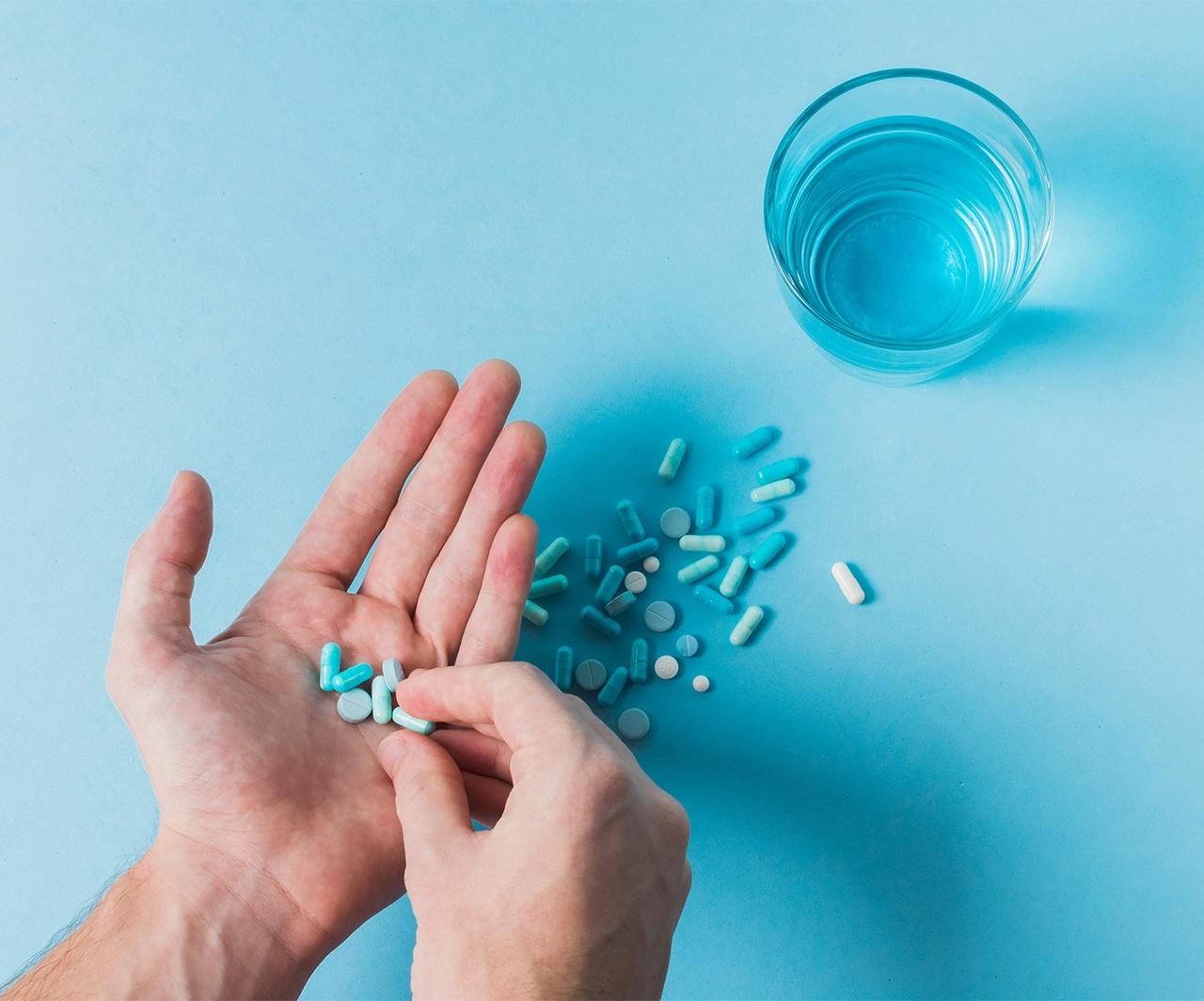
Here are some commonly prescribed medications for the treatment of ED:
Sildenafil (Viagra): A well-known medication that increases blood flow to the penis, helping to achieve and maintain an erection.
Tadalafil (Cialis): Similar to sildenafil, but it lasts longer, allowing for more spontaneous sexual activity. It can be taken daily in lower doses or as needed.
Vardenafil (Levitra, Staxyn): A medication that works similarly to sildenafil and tadalafil, but may be more effective for some men.
Avanafil (Stendra): A newer medication that works quickly and is often taken 15-30 minutes before sexual activity.
Alprostadil (Caverject, Edex): A medication that is injected directly into the penis or used as a urethral suppository to help achieve an erection.
Papaverine (Papacon): An injectable medication that helps relax blood vessels and improve blood flow to the penis, supporting an erection.
Phentolamine (Regitine): An injectable medication that works by relaxing smooth muscles and expanding blood vessels, allowing for improved blood flow to the penis.
Yohimbine: Derived from the bark of an African tree, it has been used to treat ED, although its effectiveness is debated.
Combination of Medications: A combination of alprostadil, papaverine, and phentolamine may be prescribed for more effective results in the treatment of ED, as these medications work together to enhance erectile function.
Diagnosing Erectile Dysfunction: What You Need to Know
When diagnosing Erectile Dysfunction (ED), a healthcare provider will follow a series of steps to accurately assess the condition and identify its underlying cause. Here's what typically happens during the diagnostic process:
Medical History:
The healthcare provider will review your overall health and medical history.
They’ll ask questions about medications you take, including prescription, over-the-counter, herbal supplements, and nonmedical drugs.
The provider will inquire about any past or current mental health conditions, such as depression or anxiety.
Questions related to stress levels, relationship problems, and sexual history will be asked to get a full understanding of the potential psychological or lifestyle-related causes of ED.
Specific details about your sexual function, including frequency, hardness, and duration of erections, will be discussed.
The provider may ask if you experience erections during the night or in the morning.
Physical Examination:
The provider will perform a physical examination to check for any signs of physical causes of ED, such as abnormalities in the genital area or signs of nerve damage.
This may include checking your blood pressure, and pulse, and assessing your heart and vascular health.
Tests:
Blood Tests: To check for conditions that may contribute to ED, such as diabetes, hormonal imbalances (e.g., testosterone levels), liver function, kidney function, and thyroid function. Common tests include:
Complete Blood Count (CBC)
Lipid panel (cholesterol levels)
Liver function tests
Kidney function tests
Thyroid function tests
Testosterone test
Urinalysis (Urine Test): To check for signs of diabetes or other conditions related to ED.
Penile Doppler Ultrasound: This test uses sound waves to assess blood flow to the penis and check for vascular issues.
Penile Biothesiometry: A test that measures how the nerves in your penis respond to vibrations, helping to determine nerve function.
Vasoactive Injection: A test in which a drug is injected into the penis to temporarily cause an erection, which can help determine if ED is caused by blood flow issues.
Magnetic Resonance Angiogram (MRA): This imaging test provides detailed pictures of blood vessels and helps detect any blockages or abnormalities in blood flow that could be contributing to ED.4
In some cases, the provider may refer you to a specialist, such as a urologist or endocrinologist, for further evaluation.
Additional exams may be needed if the provider suspects more complex issues related to ED, including cardiovascular problems or neurological conditions.
Is Erectile Dysfunction Curable? The Truth About ED Treatments
Erectile dysfunction (ED) is a condition that can deeply affect a person's quality of life, but it’s important to know that erectile dysfunction is curable or not largely depending on its underlying cause. While ED is not always curable, it is often highly treatable, and many men find relief with appropriate treatment.
So, the question "Can erectile dysfunction be cured?" can be answered with a resounding "it depends," but most cases can be effectively managed. Does erectile dysfunction last forever? For many, the answer is no, especially with the right approach. There are a variety of treatments available to address the condition, which can be categorized into three main areas: lifestyle changes, medical interventions, and surgical solutions.
Lifestyle Changes:
One of the first steps in managing ED is making healthy lifestyle changes. These modifications can significantly improve erectile function and even eliminate the need for medications or more invasive treatments. Common lifestyle adjustments include:
Improving diet: A healthy, balanced diet can improve blood flow and overall health.
Regular exercise: Physical activity, especially aerobic exercise, can boost cardiovascular health and improve blood flow to the penis.
Reducing alcohol consumption and quitting smoking: Both alcohol and smoking negatively impact blood vessels and circulation, which are essential for maintaining an erection.
Managing stress: Stress and anxiety are common psychological causes of ED, so finding effective ways to manage stress can improve erectile function.
Medical Interventions:
When lifestyle changes are not sufficient, medical interventions are often the next step. These treatments can be highly effective in managing ED:
Oral medications: Drugs like sildenafil (Viagra), tadalafil (Cialis), and vardenafil (Levitra) are commonly prescribed to improve blood flow to the penis.
Testosterone replacement therapy: For men with low testosterone levels, hormone replacement may help restore erectile function.
Injection therapy: Medications like alprostadil can be injected directly into the penis to promote an erection.
Penile implants: For cases that don’t respond to other treatments, a penile implant may be surgically placed inside the penis to help achieve an erection.
Surgical Solutions:
In rare and more severe cases of ED, surgical solutions may be considered. Surgical procedures are typically used when other treatments have not been effective:
Penile prosthesis implants: This surgical option involves implanting a device into the penis that allows the patient to manually create an erection. This is often a permanent solution for men with severe ED.
Vascular surgery: In cases where ED is caused by poor blood flow, surgery to repair or bypass damaged blood vessels may be considered.
Effective Lifestyle Changes to Improve Erectile Dysfunction
Maintain a Healthy Weight: Reducing excess weight can improve blood flow and reduce the risk of ED.
Exercise Regularly: Cardiovascular exercise enhances blood circulation and overall health.
Quit Smoking: Smoking restricts blood vessels and negatively impacts erectile function.
Limit Alcohol Consumption: Excessive alcohol can interfere with sexual performance.
Manage Stress: Practice relaxation techniques to reduce anxiety and stress-related ED.
Improve Sleep: Adequate sleep supports hormonal balance and sexual health.
Advanced Treatments for Erectile Dysfunction: What Are Your Options?
The choice of treatment depends on the underlying cause, severity, and individual preferences. Consulting with a healthcare provider is crucial to create a tailored treatment plan that works best for you.
Oral Medication
These are often the first line of treatment and include PDE5 inhibitors such as:
Sildenafil (Viagra)
Tadalafil (Cialis)
Vardenafil (Levitra, Staxyn)
Avanafil (Stendra)
Alprostadil (Caverject, Edex)
Papaverine (Papacon)
Phentolamine (Regitine)
Yohimbine
Combination of Medications: A combination of alprostadil, papaverine, and phentolamine
How They Work:
These medications enhance blood flow to the penis by relaxing blood vessels, helping to achieve and maintain an erection. They are typically taken 30–60 minutes before sexual activity.
Key Considerations:
May not be suitable for individuals taking nitrates or those with certain heart conditions.
Common side effects include headaches, flushing, and nasal congestion.
Hormone Therapy
If low testosterone levels are contributing to ED, testosterone replacement therapy (TRT) may be an option.
Forms: Gels, patches, injections, or implants.
Best for: Men with clinically diagnosed hypogonadism (low testosterone levels).
Key Considerations:
TRT addresses hormonal imbalance but may not directly solve ED if the root cause is vascular or psychological.
Injection Therapy
Intracavernosal injections, such as alprostadil, deliver medication directly into the penis, stimulating blood flow.
Effectiveness: Produces an erection within 5–20 minutes, lasting up to an hour.
Self-administration: Requires training but is highly effective for men unresponsive to oral medications.
Possible side effects include pain at the injection site or prolonged erections (priapism).
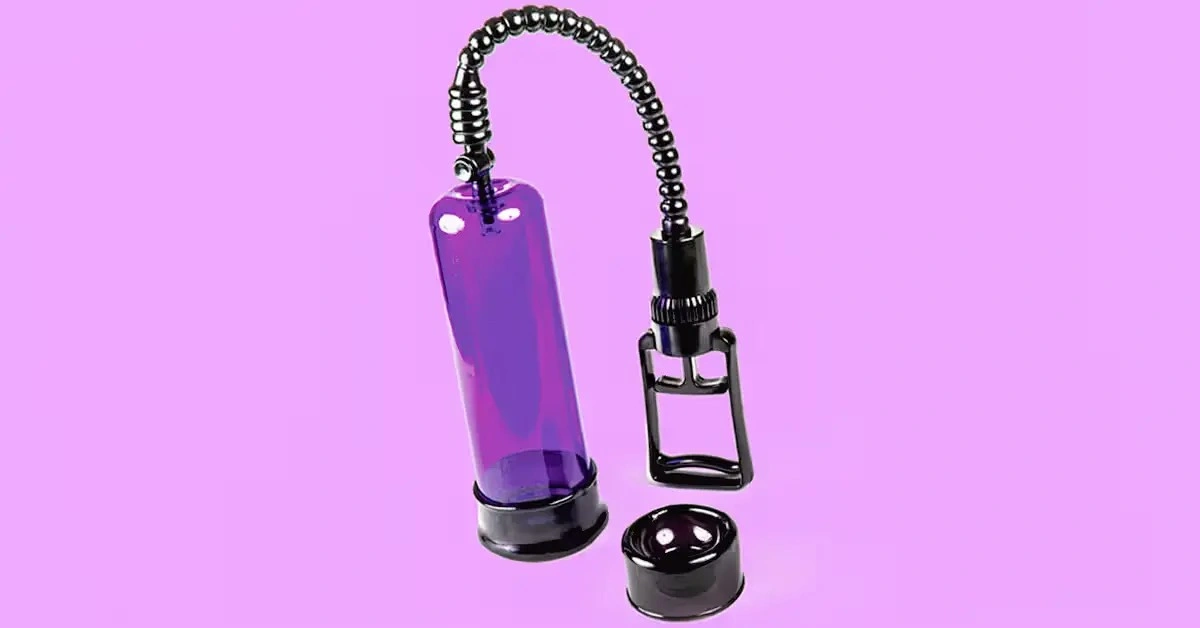
Vacuum Erection Devices (VEDs)
A non-invasive option, VEDs use a pump to create a vacuum around the penis, drawing blood into it. A constriction ring is placed at the base to maintain the erection.
Key Considerations:
Effective for many men but may feel cumbersome or mechanical.
Suitable for those seeking a drug-free alternative.
e. Surgical Options
For men who do not respond to non-surgical treatments, surgery might be recommended.
Penile Implants
Types:
Inflatable Implants: Cylinders are placed inside the penis and inflated via a pump located in the scrotum.
Malleable Implants: Semi-rigid rods allow manual positioning.
Key Benefits:
High satisfaction rates among patients and partners.
Provides a long-term solution for ED.
Key Considerations:
Surgery involves risks such as infection or mechanical failure (for inflatable devices).
Typically reserved for cases where other treatments fail.
Vascular Surgery
Focuses on improving blood flow to the penis by repairing or bypassing damaged blood vessels. It is recommended primarily for younger men with a specific vascular issue.
Key Considerations:
Rarely performed due to its complexity and limited success rates compared to other options.
When to Consider Surgical Options?
Surgery is generally recommended when:
Non-surgical treatments are ineffective or contraindicated.
ED has a clear and correctable physical cause (e.g., Peyronie’s disease or severe vascular damage).
The patient desires a permanent solution.
How can ED be Prevented?
Here are some lifestyle changes that can help prevent Erectile Dysfunction (ED):
Maintain a healthy weight through a balanced diet.
Exercise regularly to improve blood flow.
Quit smoking and limit alcohol consumption.
Manage stress through relaxation techniques like meditation.
Get enough sleep to support overall health.
Control chronic conditions like diabetes, high blood pressure, and cholesterol.
Avoid substance abuse, including recreational drugs.
Take the First Step Toward Better Health
Take charge of your health—addressing both physical and mental well-being is key to overcoming ED. A proactive approach empowers you to reclaim confidence and vitality!
Frequently Asked Questions (FAQs)
1. How is erectile dysfunction diagnosed?
ED is diagnosed through a combination of medical history, physical exams, blood tests, and sometimes psychological assessments.
2. Is ED a permanent condition?
No, ED is often treatable, and its permanence depends on the underlying cause.
3. Can erectile dysfunction be cured completely?
In many cases, ED can be cured with appropriate treatment, lifestyle changes, or addressing the root cause.
4. What causes ED at a young age?
ED in younger men is commonly caused by stress, anxiety, hormonal imbalances, or lifestyle factors like smoking and alcohol.
5. How long does it take for ED treatments to work?
The timeline varies; oral medications may work within an hour, while lifestyle or hormonal treatments may take weeks or months.
6. Are natural remedies effective for curing ED?
Some natural remedies may help improve symptoms, but they are generally less effective than medical treatments and should be used with caution.
Our Other Services:
Sex Therapy in Delhi | Sex Therapy in Mumbai | Sex therapy in Bangalore | Vaginismus Treatment | Sexologist in Delhi | Sexologist in Bangalore | Sexologist in Pune | Sexologist in Kolkata | Sexologist in Mumbai | Best Sexologist in India










































Comment section
Comments